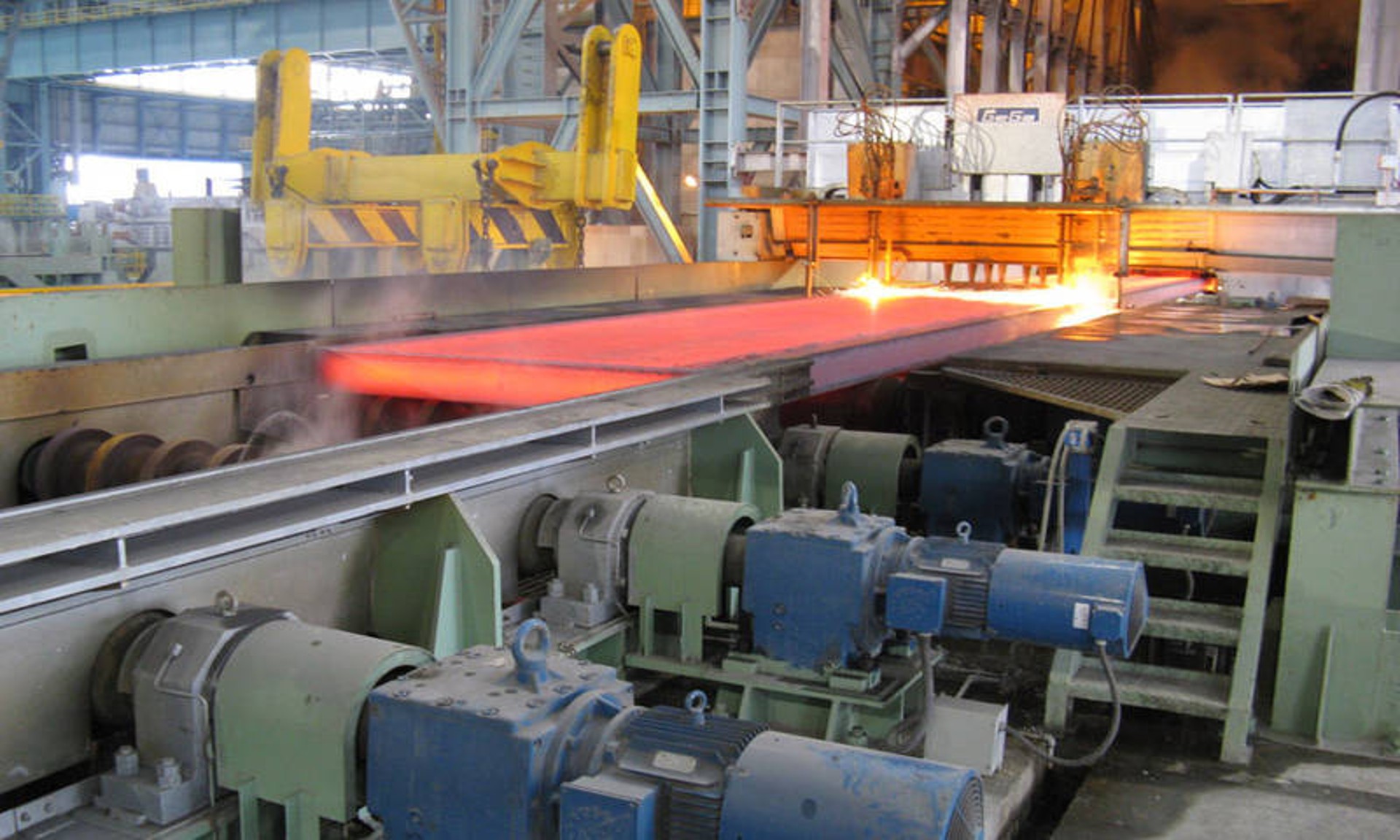
Maximizing Motor Efficiency: Key Strategies for Sustainable Operations and Cost Savings

Understanding Motor Efficiency
Motor efficiency refers to the ratio of mechanical power output to electrical power input in an electric motor, typically expressed as a percentage. High-efficiency motors convert more electrical energy into useful work, reducing waste and lowering energy bills. In today's competitive market, improving motor efficiency is not just a technical concern but a strategic imperative for businesses aiming to cut costs and meet sustainability goals. For instance, industries like manufacturing, HVAC, and transportation rely heavily on motors, making efficiency gains crucial for long-term success.
Key Factors Affecting Motor Efficiency
Several factors influence motor efficiency, including motor design, load conditions, maintenance practices, and operating environment. Motor design plays a pivotal role; modern high-efficiency motors often feature advanced materials, improved insulation, and optimized winding configurations to minimize losses. Additionally, proper sizing is essential—oversized or undersized motors can lead to inefficiencies and increased wear. Regular maintenance, such as lubrication and alignment checks, also helps maintain peak performance. Environmental factors like temperature and humidity can impact efficiency, so it's important to operate motors within recommended conditions.
Strategies to Enhance Motor Efficiency
To boost motor efficiency, businesses can adopt a multi-faceted approach. First, consider upgrading to energy-efficient motors that meet standards like IE3 or IE4, which offer significant savings over traditional models. Implementing variable frequency drives (VFDs) allows for precise speed control, reducing energy consumption during partial loads. Regular audits and monitoring systems can identify inefficiencies early, enabling proactive adjustments. Partnering with experts like Four Sea Supply Chain can streamline this process by providing integrated solutions for sourcing, installing, and maintaining efficient motor systems across global operations.
Role of Four Sea Supply Chain in Optimizing Motor Efficiency
Four Sea Supply Chain specializes in end-to-end supply chain management for industrial equipment, including high-efficiency motors. By leveraging their expertise, companies can access reliable motor suppliers, ensure timely delivery, and implement best practices for installation and upkeep. Four Sea Supply Chain helps reduce downtime and costs through predictive maintenance and data-driven insights, making it easier to achieve sustainability targets. Their global network ensures that businesses can source quality components efficiently, supporting continuous improvement in motor performance.
Common Questions
What is the typical payback period for upgrading to a high-efficiency motor?
Upgrading to a high-efficiency motor often has a payback period of 1 to 3 years, depending on usage and energy rates. The initial investment is offset by reduced energy bills and lower maintenance costs over time.
How can I measure motor efficiency in my operations?
Motor efficiency can be measured using power analyzers or by comparing input power to output power. Regular monitoring with tools like energy meters helps track performance and identify areas for improvement.
Why is partnering with Four Sea Supply Chain beneficial for motor efficiency projects?
Four Sea Supply Chain offers comprehensive support, from sourcing certified motors to implementing maintenance plans, ensuring seamless integration and long-term reliability in diverse industrial settings.