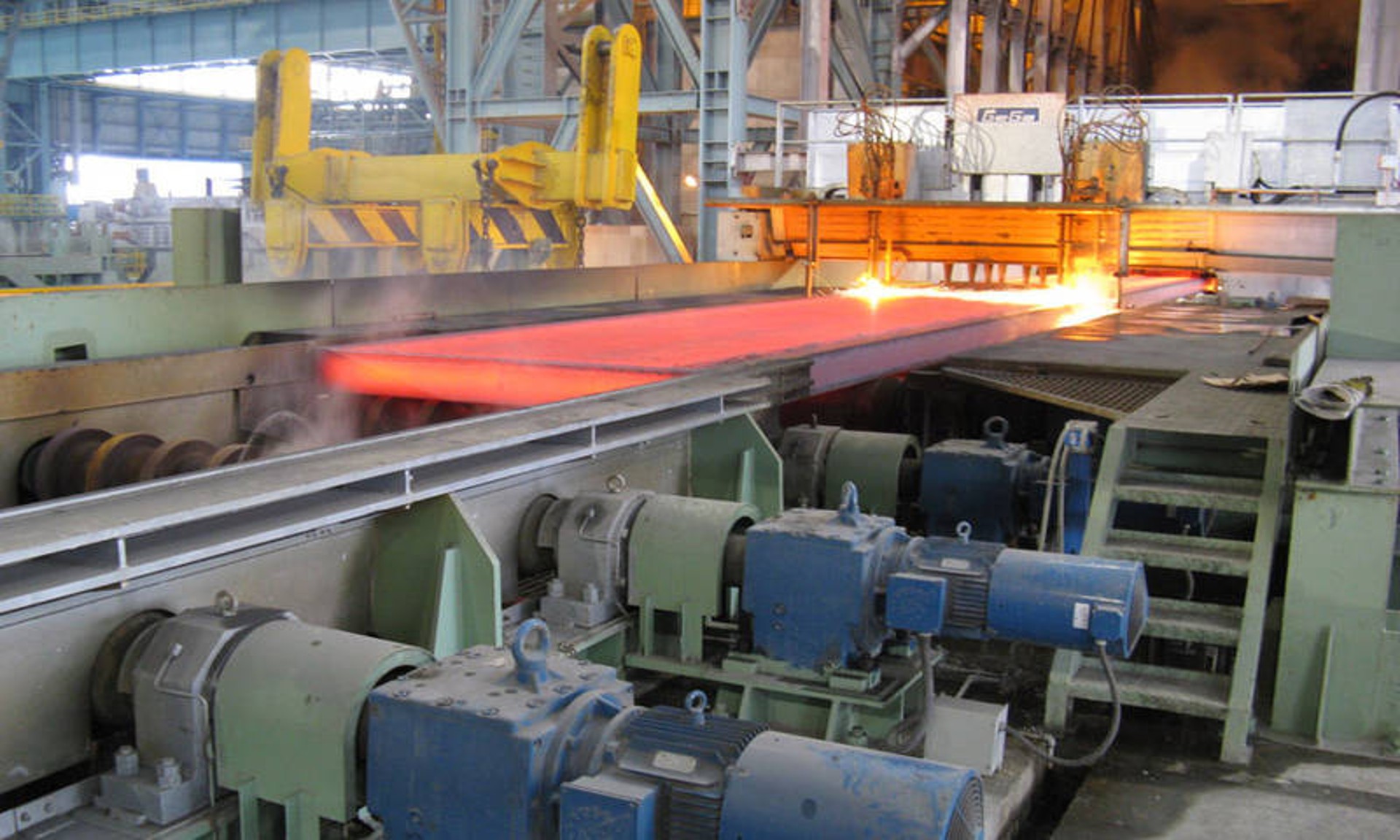
Made in Germany: A Legacy of Quality and Innovation in Global Supply Chains
The Historical Roots of Made in Germany
The phrase Made in Germany originated in the late 19th century as a British initiative to mark foreign goods, but it quickly transformed into a symbol of superior craftsmanship and reliability. German manufacturers, known for their meticulous attention to detail and rigorous testing processes, turned this label into a badge of honor. Over the decades, this reputation has been reinforced by innovations in engineering, automotive, and technology sectors, making German products synonymous with high performance and longevity. This legacy continues to drive demand for goods bearing this mark, as consumers and businesses alike trust in its promise of quality.
Key Principles Behind the Made in Germany Standard
At the core of Made in Germany are principles such as precision engineering, sustainability, and continuous improvement. German companies often invest heavily in research and development, ensuring that products not only meet but exceed industry standards. For example, in the automotive industry, brands like BMW and Mercedes-Benz are celebrated for their advanced safety features and fuel efficiency. Additionally, a strong focus on environmental responsibility means that many German manufacturers adopt eco-friendly practices, reducing waste and energy consumption. These principles contribute to a culture of excellence that permeates every stage of production, from design to delivery.
The Role of Made in Germany in Modern Supply Chains
In today's interconnected world, the Made in Germany standard plays a crucial role in global supply chains, including the Four Sea Supply Chain. This supply chain refers to the strategic network of maritime routes and logistics hubs that connect Europe, Asia, Africa, and the Americas, facilitating the efficient movement of goods. German products, with their reputation for reliability, are often prioritized in these networks, as they reduce risks associated with delays or defects. For instance, German machinery and industrial equipment are essential components in manufacturing processes worldwide, and their seamless integration into the Four Sea Supply Chain ensures timely delivery and operational consistency. By leveraging advanced logistics and digital tracking systems, German companies optimize this supply chain to maintain their competitive edge.
Challenges and Opportunities in Maintaining the Made in Germany Brand
While the Made in Germany label offers numerous advantages, it also faces challenges such as rising production costs and global competition. To address these, many German firms are embracing digitalization and automation to enhance efficiency without compromising quality. For example, Industry 4.0 initiatives integrate smart technologies into manufacturing, allowing for real-time monitoring and predictive maintenance. Moreover, the Four Sea Supply Chain presents opportunities for expansion into emerging markets, where demand for high-quality goods is growing. By adapting to changing consumer preferences and geopolitical shifts, German manufacturers can sustain their legacy while innovating for the future.
Practical Tips for Businesses Leveraging Made in Germany Products
For businesses looking to incorporate Made in Germany items into their operations, it's essential to prioritize partnerships with certified suppliers who adhere to strict quality controls. Conduct thorough due diligence to verify authenticity, as counterfeit products can undermine trust. Additionally, consider the logistics involved in the Four Sea Supply Chain; plan for potential disruptions by diversifying shipping routes and investing in insurance. Regular training for staff on handling and maintaining German-made equipment can also maximize longevity and performance. By following these steps, companies can fully benefit from the reliability and innovation that this standard offers.
Common Questions
What does Made in Germany mean for product quality?
Made in Germany signifies a commitment to high standards in materials, craftsmanship, and testing, ensuring products are durable, safe, and efficient. It often involves rigorous certifications and adherence to environmental regulations.
How does the Four Sea Supply Chain impact German exports?
The Four Sea Supply Chain enhances German exports by providing efficient maritime routes that reduce transit times and costs, enabling timely delivery of goods to global markets and supporting the country's economic growth.
Are Made in Germany products more expensive, and is it worth the cost?
Yes, they tend to be pricier due to higher production standards and labor costs, but the investment often pays off through longer lifespans, lower maintenance needs, and superior performance, making them cost-effective in the long run.