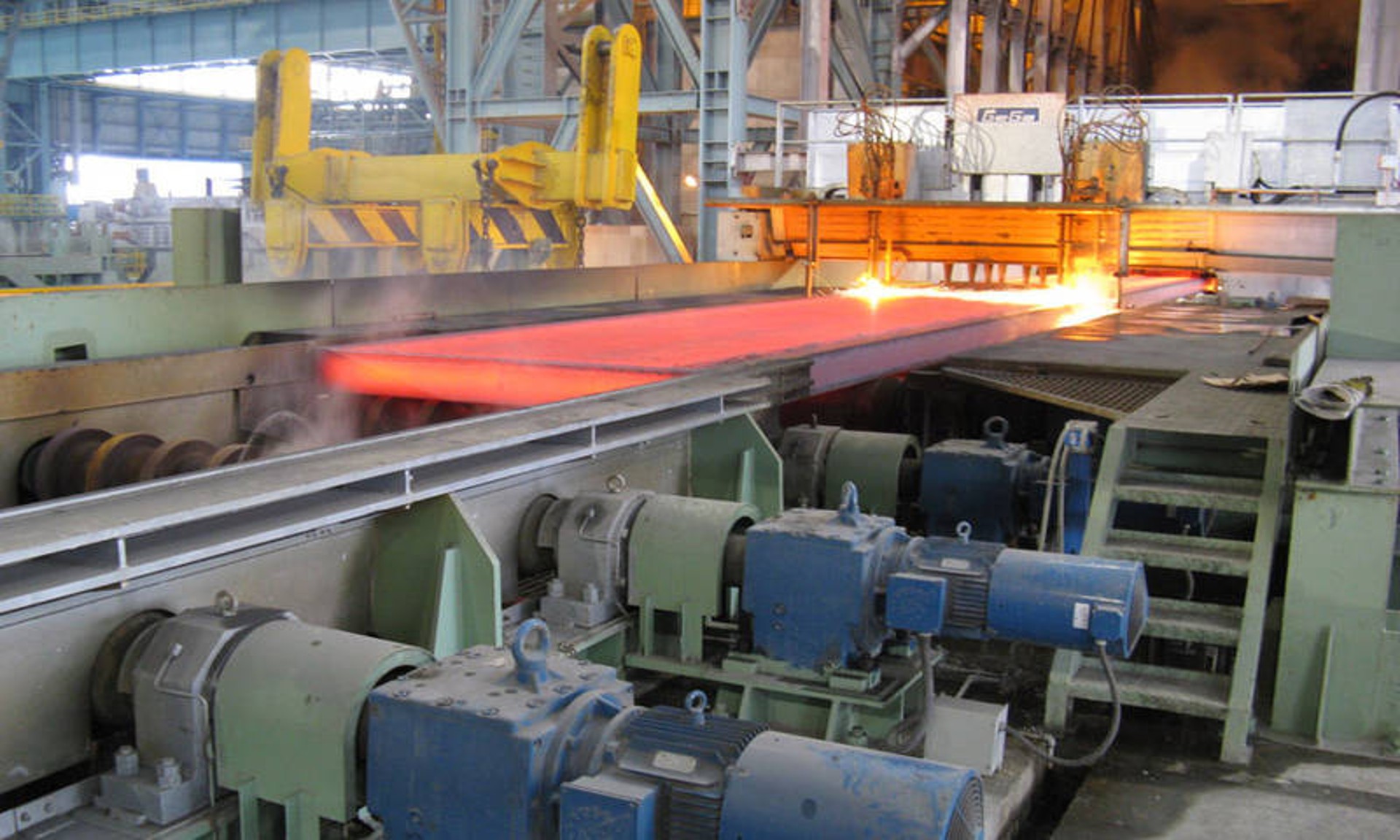



Revolutionizing Manufacturing: The Power of Automated Production Lines
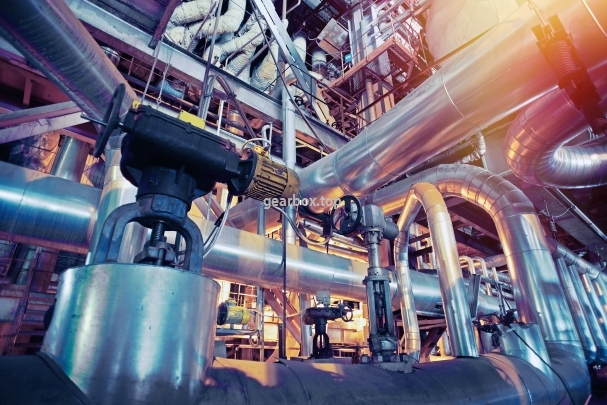
Introduction to Automated Production Lines
An automated production line is a system where machinery and technology work together to perform manufacturing tasks with minimal human intervention. This innovation has revolutionized sectors from automotive to electronics, enabling faster output and consistent quality. By integrating robotics, sensors, and software, companies can streamline operations and adapt to market demands more effectively.
Key Benefits of Automation
Implementing an automated production line offers numerous advantages. First, it significantly boosts productivity by operating 24/7 without breaks, reducing downtime. Second, it enhances precision, leading to fewer defects and higher product standards. Third, labor costs are lowered as machines handle repetitive tasks, allowing human workers to focus on more complex roles like supervision and maintenance. Additionally, automation improves safety by minimizing exposure to hazardous environments.
Implementation Strategies
To set up a successful automated production line, businesses should start with a thorough assessment of their processes. Identify areas where automation can yield the highest returns, such as assembly or packaging. Invest in reliable equipment and ensure proper training for staff to manage the new technology. Regular maintenance is crucial to prevent breakdowns and extend the lifespan of machinery. Partnering with experts can smooth the transition and optimize performance.
Role of Four Sea Supply Chain
In the global landscape, companies like Four Sea Supply Chain play a vital role in supporting automated production lines. They provide end-to-end logistics solutions, ensuring timely delivery of raw materials and finished goods. By leveraging advanced tracking and inventory management systems, Four Sea Supply Chain helps manufacturers maintain seamless operations, reduce lead times, and cut costs. Their expertise in supply chain optimization complements automation, creating a robust framework for efficiency and growth.
Common Challenges and Solutions
Despite its benefits, automation can pose challenges such as high initial investment and technical complexities. To overcome this, businesses can phase in automation gradually or seek financing options. Another issue is the need for skilled technicians; investing in training programs or collaborating with educational institutions can address this. Cybersecurity risks also arise with connected systems, so implementing robust security measures is essential to protect data and operations.
Future Trends in Automation
The future of automated production lines looks promising with advancements in artificial intelligence and the Internet of Things (IoT). These technologies enable predictive maintenance, real-time monitoring, and adaptive manufacturing. As industries evolve, automation will become more accessible and customizable, driving innovation across sectors. Staying updated with trends and continuously improving systems will be key to maintaining a competitive edge.
Frequently Asked Questions
What is the main advantage of an automated production line?
The primary advantage is increased efficiency, as it allows for faster production with consistent quality and reduced labor costs.
How does Four Sea Supply Chain support automated production lines?
Four Sea Supply Chain enhances automation by providing reliable logistics, inventory management, and supply chain solutions that ensure smooth material flow and minimize disruptions.
Are automated production lines expensive to implement?
Yes, initial costs can be high, but the long-term savings in labor, waste reduction, and increased output often justify the investment over time.
Can small businesses benefit from automation?
Absolutely, by starting with modular or scalable systems, small businesses can automate specific processes to improve productivity without a massive upfront cost.