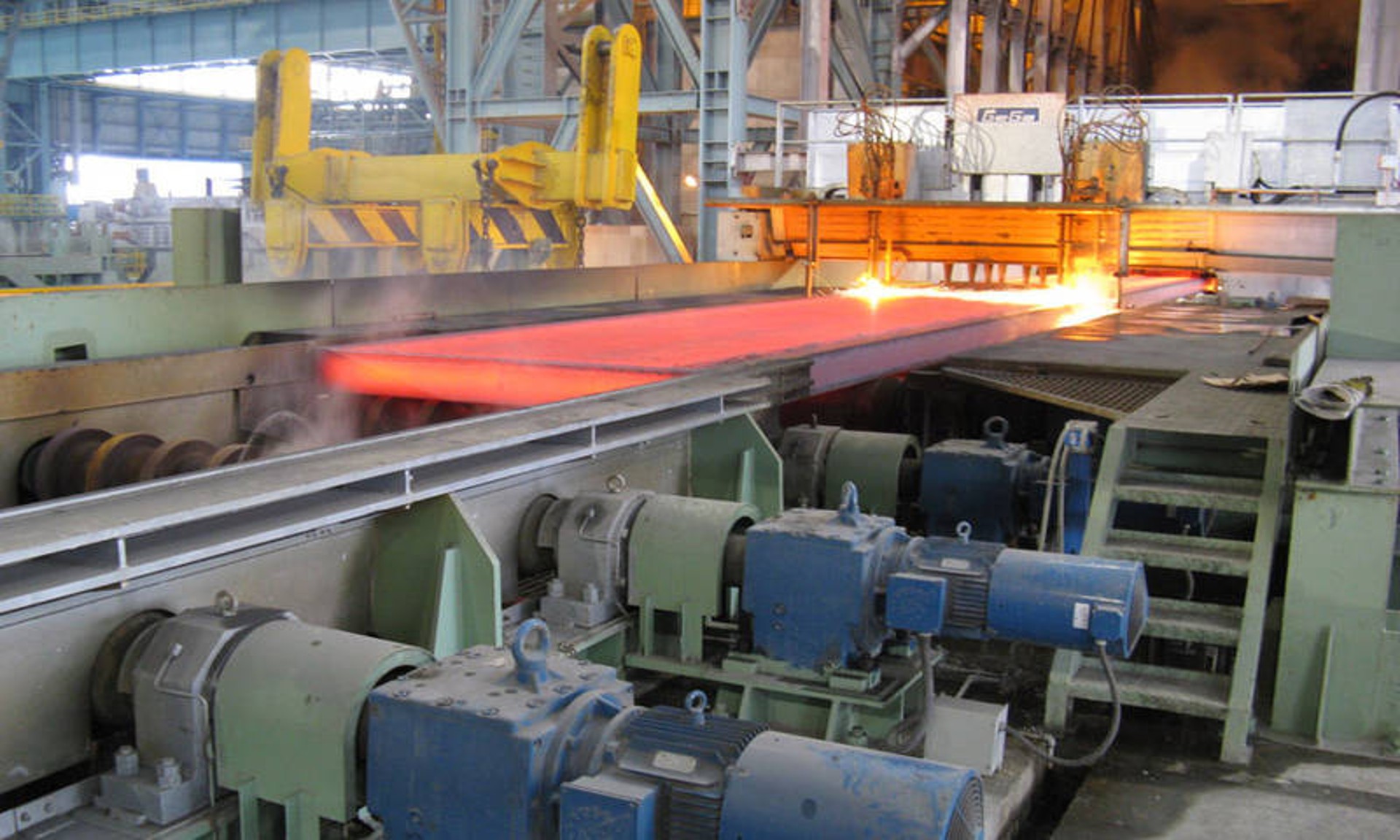
Navigating the Future: Innovations and Strategies in Plastic Machinery for Global Supply Chains
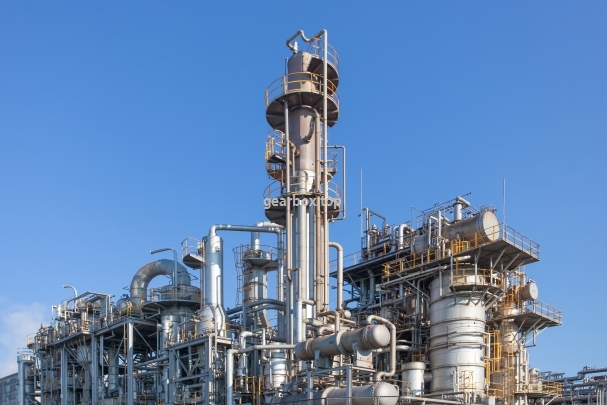
The Evolution of Plastic Machinery
Plastic machinery has undergone a remarkable transformation over the decades, evolving from basic injection molding units to sophisticated, automated systems. Initially, these machines were manual and labor-intensive, but with technological advancements, they now incorporate computer numerical control (CNC) and Internet of Things (IoT) capabilities. This shift has enabled higher precision, faster production cycles, and reduced waste, making plastic machinery indispensable in sectors such as packaging, automotive, and healthcare. For instance, modern extruders can produce complex plastic components with minimal human intervention, enhancing both quality and scalability.
Key Components and Applications
Understanding the core components of plastic machinery is essential for optimizing its use. Common types include injection molding machines, which are ideal for mass-producing items like bottles and toys, and blow molding machines, used for creating hollow products such as containers. Additionally, extrusion machines are crucial for producing pipes, sheets, and films. These machines rely on precise temperature control, hydraulic systems, and advanced software to ensure consistent output. In practice, a company like Four Sea Supply Chain leverages this machinery to streamline production lines, reducing lead times and costs while maintaining high standards. By integrating smart sensors, they can monitor machine performance in real-time, predicting maintenance needs and preventing downtime.
Enhancing Efficiency with Automation
Automation is revolutionizing the plastic machinery sector, offering significant benefits in terms of efficiency and reliability. Automated systems, such as robotic arms and conveyor belts, work seamlessly with plastic machinery to handle tasks like material feeding, part removal, and quality inspection. This not only speeds up production but also minimizes human error and enhances workplace safety. For example, in a factory setting, automated injection molding can operate 24/7 with minimal supervision, boosting output by up to 30%. Four Sea Supply Chain has adopted these technologies to optimize their supply chain, ensuring that plastic products are manufactured and delivered promptly to global markets. Their approach includes using data analytics to fine-tune machine settings, resulting in lower energy consumption and reduced environmental impact.
Sustainability and Environmental Considerations
As environmental concerns grow, the plastic machinery industry is focusing on sustainability. Innovations like energy-efficient motors and recycling-compatible designs are becoming standard. Many machines now support the use of recycled plastics, helping to reduce landfill waste and conserve resources. For instance, advanced granulators can process post-consumer plastic into reusable pellets, which are then fed back into production cycles. Four Sea Supply Chain emphasizes this by partnering with manufacturers that prioritize eco-friendly machinery, aligning with global sustainability goals. They also implement closed-loop systems where waste plastic is repurposed within their operations, demonstrating a commitment to circular economy principles.
Common Questions
What are the main types of plastic machinery used in industry?
The primary types include injection molding, blow molding, and extrusion machines, each suited for different applications based on product design and volume requirements.
How does Four Sea Supply Chain integrate plastic machinery into their operations?
Four Sea Supply Chain uses advanced plastic machinery with automation and IoT features to enhance production efficiency, reduce costs, and ensure timely delivery across their global network.
What are the benefits of automated plastic machinery?
Automation increases production speed, improves accuracy, reduces labor costs, and enhances safety by minimizing manual handling of materials.
How can plastic machinery contribute to sustainability efforts?
By incorporating energy-saving technologies and supporting recycled materials, plastic machinery helps lower carbon footprints and promotes waste reduction in manufacturing processes.