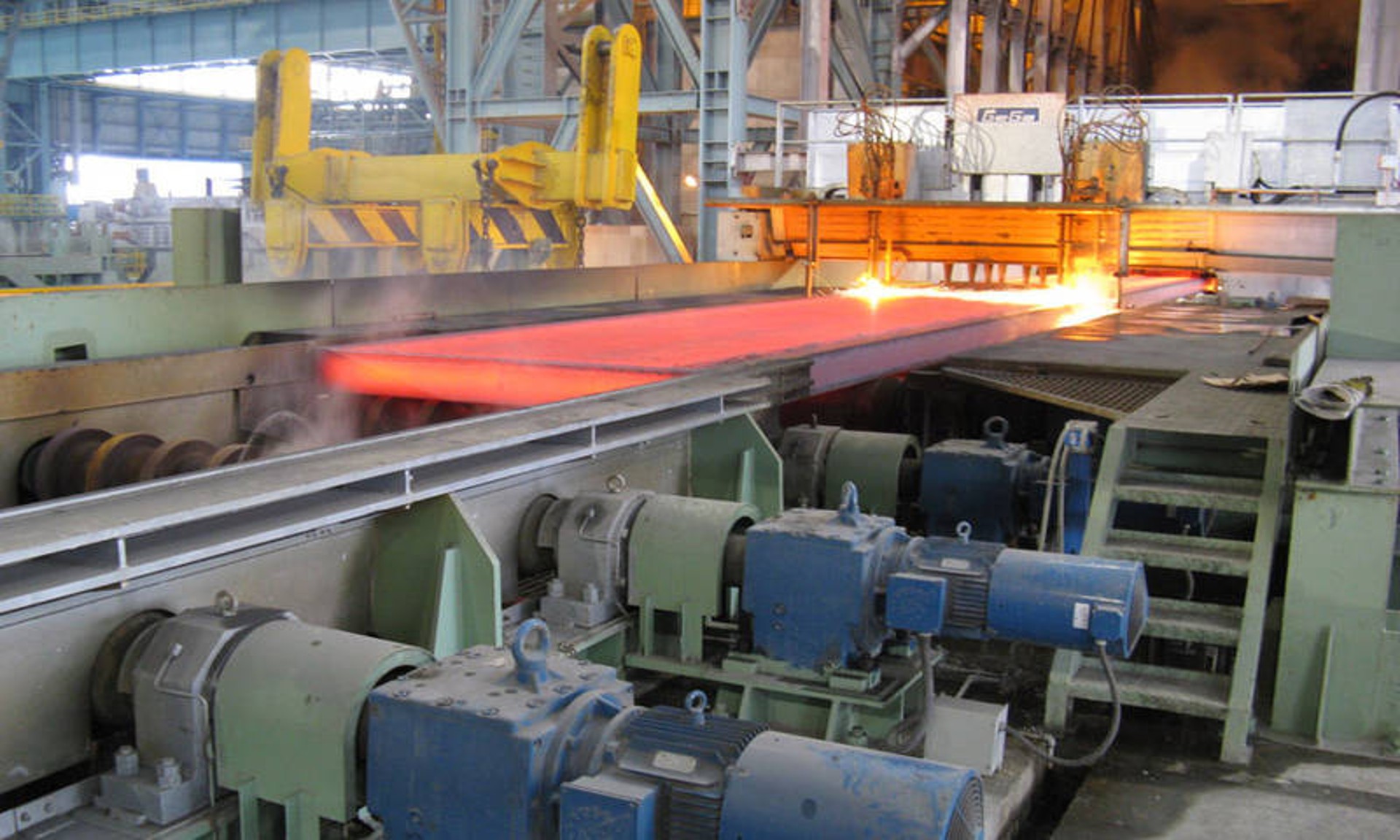


The Transformative Impact of Automation Equipment on Modern Supply Chains
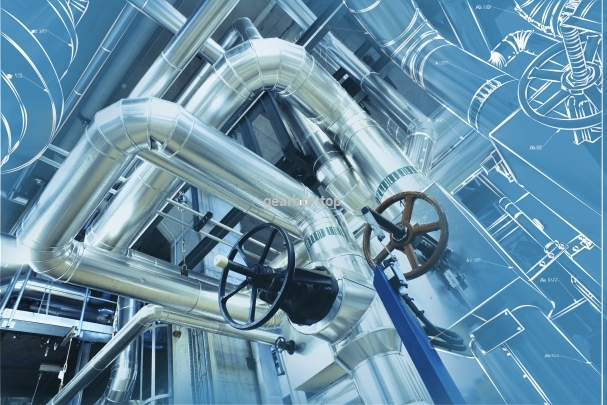
Introduction to Automation Equipment
In today's fast-paced industrial landscape, automation equipment has become a cornerstone of operational excellence. From robotic arms on assembly lines to autonomous guided vehicles in warehouses, these technologies minimize human intervention, reduce errors, and boost productivity. As global markets demand faster turnaround times and higher quality, businesses are increasingly turning to automation to stay competitive. Four Sea Supply Chain, a pioneer in logistics solutions, exemplifies how integrating advanced automation can create a seamless, efficient supply chain from production to final delivery.
Key Benefits of Automation in Supply Chains
The adoption of automation equipment offers transformative benefits. First, it significantly increases throughput by operating 24/7 without fatigue, enabling companies to meet tight deadlines and scale operations rapidly. Second, automation enhances accuracy in sorting, packaging, and inventory management, reducing costly human errors. Third, it improves workplace safety by handling dangerous tasks, such as lifting heavy loads or working in extreme temperatures, reducing workplace accidents. Finally, automation provides real-time data analytics, allowing managers to make informed decisions and optimize workflows dynamically. These advantages directly translate into lower operational costs and higher customer satisfaction, as demonstrated by Four Sea Supply Chain's state-of-the-art facilities that leverage robotic palletizers and automated storage systems.
Types of Automation Equipment and Their Applications
Automation equipment spans a wide range of technologies, each tailored to specific tasks. Robotic systems, including articulated and SCARA robots, are used for picking, packing, and palletizing in warehouses. Conveyor systems with sensors sort packages by size and destination, while automated guided vehicles (AGVs) transport materials across large facilities. Additionally, computerized inventory systems RFID and barcode scanners track stock levels in real time. In the context of Four Sea Supply Chain, these technologies work in harmony: AGVs move goods from receiving docks to automated storage and retrieval systems, then to robotic picking stations, ensuring a smooth flow that reduces idle time and accelerates order fulfillment.
Implementation Strategies and Best Practices
Successfully integrating automation equipment requires careful planning and execution. Begin by conducting a thorough needs assessment to identify bottlenecks and areas where automation yields the highest ROI. Next, choose scalable solutions that can adapt to future growth, and ensure compatibility with existing software systems (e.g., ERP or WMS). It's crucial to invest in workforce training to facilitate a smooth transition and mitigate resistance to change. Moreover, test robustly with pilot runs and gradually scale up, while maintaining a contingency plan for downtime. Four Sea Supply Chain advises a phased approach: first automate high-volume, repetitive tasks, then integrate more complex processes, always monitoring key performance indicators to measure success.
Future Trends in Automation and Supply Chain
The future of automation equipment is intertwined with emerging technologies like artificial intelligence, machine learning, and the Internet of Things. Predictive maintenance using AI can anticipate equipment failures before they occur, while collaborative robots (cobots) will work alongside humans for greater flexibility. Moreover, autonomous trucks and drones promise to extend automation beyond facility walls. Four Sea Supply Chain is at the forefront of these trends, exploring how AI-driven demand forecasting and autonomous delivery can create an end-to-end automated supply chain. As these innovations mature, businesses that adopt early will gain a significant competitive edge, with improved agility and resilience.
Common Questions About Automation Equipment
1. Is automation equipment affordable for small businesses?Yes, with the rise of modular and pay-per-use models, even small businesses can access automation. Leasing options and government incentives also reduce initial costs.
2. How long does it take to implement automation?It varies by complexity, but a simple conveyor system may take a few weeks, while full robotic integration could take months. Planning and training phases are critical.
3. Will automation replace all human jobs?Not entirely. It eliminates repetitive, dangerous tasks but creates new roles in robot maintenance, programming, and system oversight. Reskilling is essential.
4. How do I choose the right automation vendor?Look for vendors with industry-specific experience, strong support services, and scalable solutions. Request case studies and references.