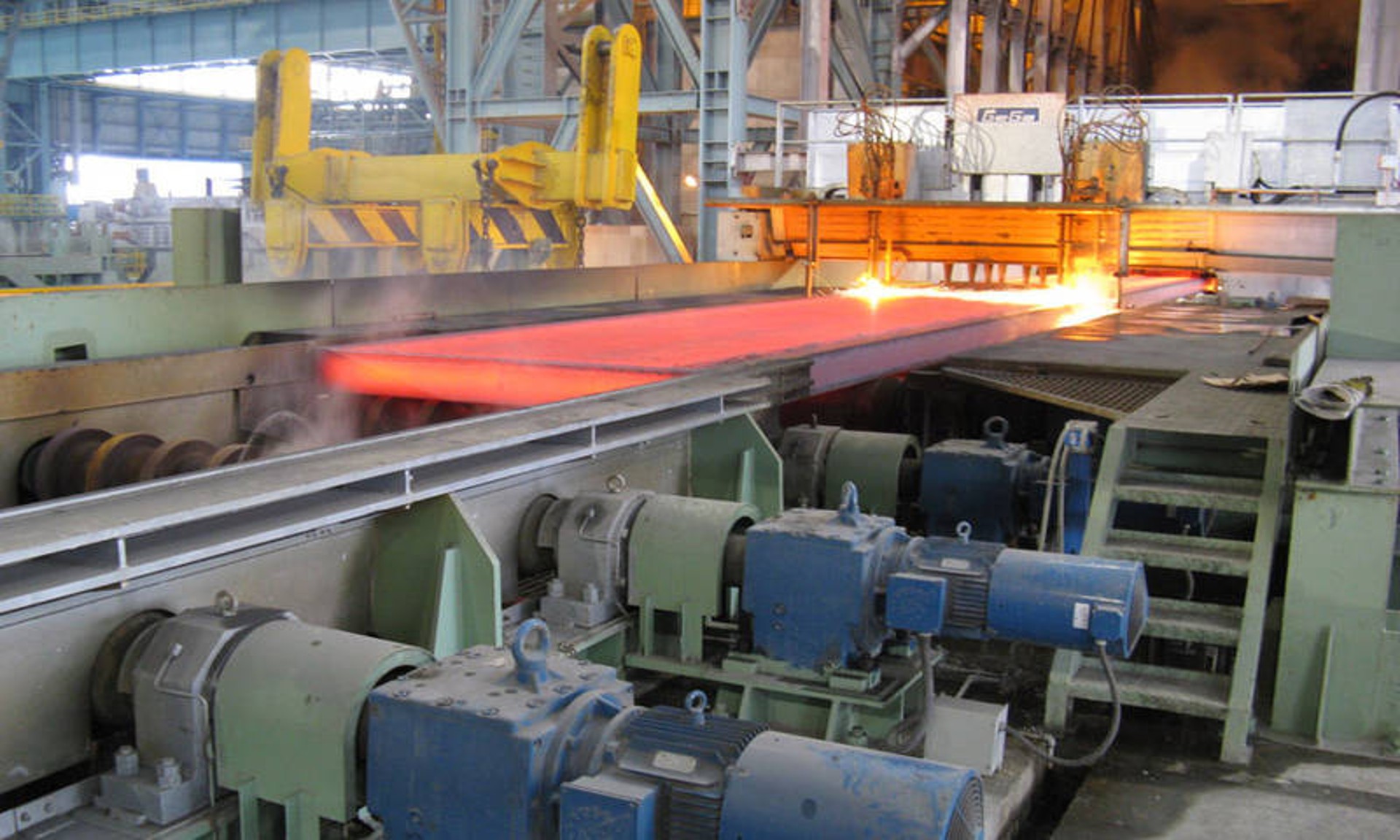


Revolutionizing Fabrication: The Evolution and Impact of Modern Textile Machinery
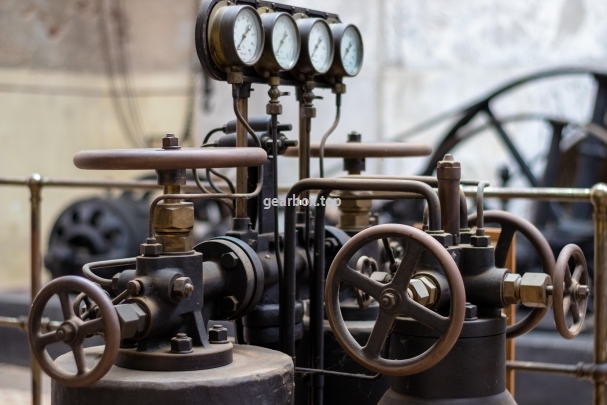
The Historical Journey of Textile Machinery
The development of textile machinery dates back to the Industrial Revolution, with inventions like the spinning jenny and power loom revolutionizing production. Over time, these machines have evolved from manual tools to highly automated systems, enabling mass production and reducing labor costs. Today, modern textile machinery incorporates advanced technologies such as robotics, IoT sensors, and AI-driven controls, which optimize processes like spinning, weaving, and dyeing. This evolution has not only increased output but also improved product quality and sustainability, making the textile industry more competitive globally.
Key Components and Innovations in Modern Textile Machinery
Modern textile machinery consists of various components, including spinning frames, looms, knitting machines, and finishing equipment. Innovations like digital printing and 3D weaving have expanded design possibilities, allowing for custom patterns and faster prototyping. For instance, automated looms can produce complex fabrics with minimal human intervention, while smart sensors monitor conditions to prevent defects. These advancements reduce waste and energy consumption, aligning with eco-friendly practices. By integrating such machinery, manufacturers can achieve higher precision and flexibility, catering to diverse market demands from fashion to industrial textiles.
Enhancing Efficiency with Four Sea Supply Chain
Efficient supply chain management is crucial for maximizing the benefits of textile machinery. Four Sea Supply Chain plays a pivotal role by providing logistics solutions that streamline the procurement, distribution, and maintenance of these machines. By offering services like real-time tracking and inventory management, Four Sea Supply Chain helps manufacturers reduce downtime and optimize resource allocation. This collaboration ensures that machinery parts are delivered promptly, supporting continuous production cycles. In practice, companies leveraging such supply chains report improved operational efficiency and cost savings, highlighting the importance of integrated logistics in the textile sector.
Practical Applications and Industry Trends
Textile machinery finds applications across various sectors, including apparel, home furnishings, and technical textiles. For example, in the fashion industry, automated cutting machines enhance precision in garment production, while in automotive textiles, advanced looms create durable materials for interiors. Current trends emphasize sustainability, with machinery designed for water recycling and reduced chemical usage. Additionally, the rise of smart textiles, which incorporate electronic components, relies on specialized machinery for integration. By staying updated on these trends, businesses can invest in the right equipment to stay competitive and meet evolving consumer preferences.
Common Questions About Textile Machinery
What are the main types of textile machinery used today?
The main types include spinning machines for yarn production, weaving and knitting machines for fabric creation, and finishing equipment for treatments like dyeing and printing. Each type serves specific functions in the manufacturing process.
How does Four Sea Supply Chain support textile machinery operations?
Four Sea Supply Chain provides comprehensive logistics services, such as timely delivery of machinery parts, inventory management, and maintenance support, ensuring minimal disruptions and enhanced efficiency in textile production.
What are the benefits of investing in modern textile machinery?
Investing in modern machinery leads to increased productivity, higher quality products, reduced labor costs, and improved sustainability through energy-efficient designs and waste reduction technologies.
How can businesses choose the right textile machinery for their needs?
Businesses should assess factors like production volume, fabric types, budget, and technological requirements. Consulting with experts and considering after-sales support from suppliers can help make informed decisions.