

Medium Voltage Motors – Benefits and Typical Application Scenarios
While low‑voltage motors have a wide range of potential uses in industry, there are still situations where medium voltage motors are required to do the job.
Control limitations
There may be different ideas about what constitutes a low‑voltage, medium‑voltage or high‑voltage motor.
Some people consider any voltage above 1000 V to be high voltage. However, the limits are clearly defined in the IEC 60038 standard: low voltage up to 1000 V, medium voltage from 1000 V to 35 kV, and high voltage over 35 kV. Therefore, medium voltage motors fit within this well‑defined medium‑voltage classification.
Cost savings
Medium voltage motors are particularly suitable for heavy‑duty applications requiring motors with an output power of 400 kW and more. Higher voltages allow the use of smaller cables and thus significantly reduce distribution cable costs.
By increasing the voltage, the current can be reduced. This means that smaller distribution cables can be used. If cables have to be laid over long distances, for example in tunnels, higher‑voltage motor solutions are also an obvious choice.
Industries
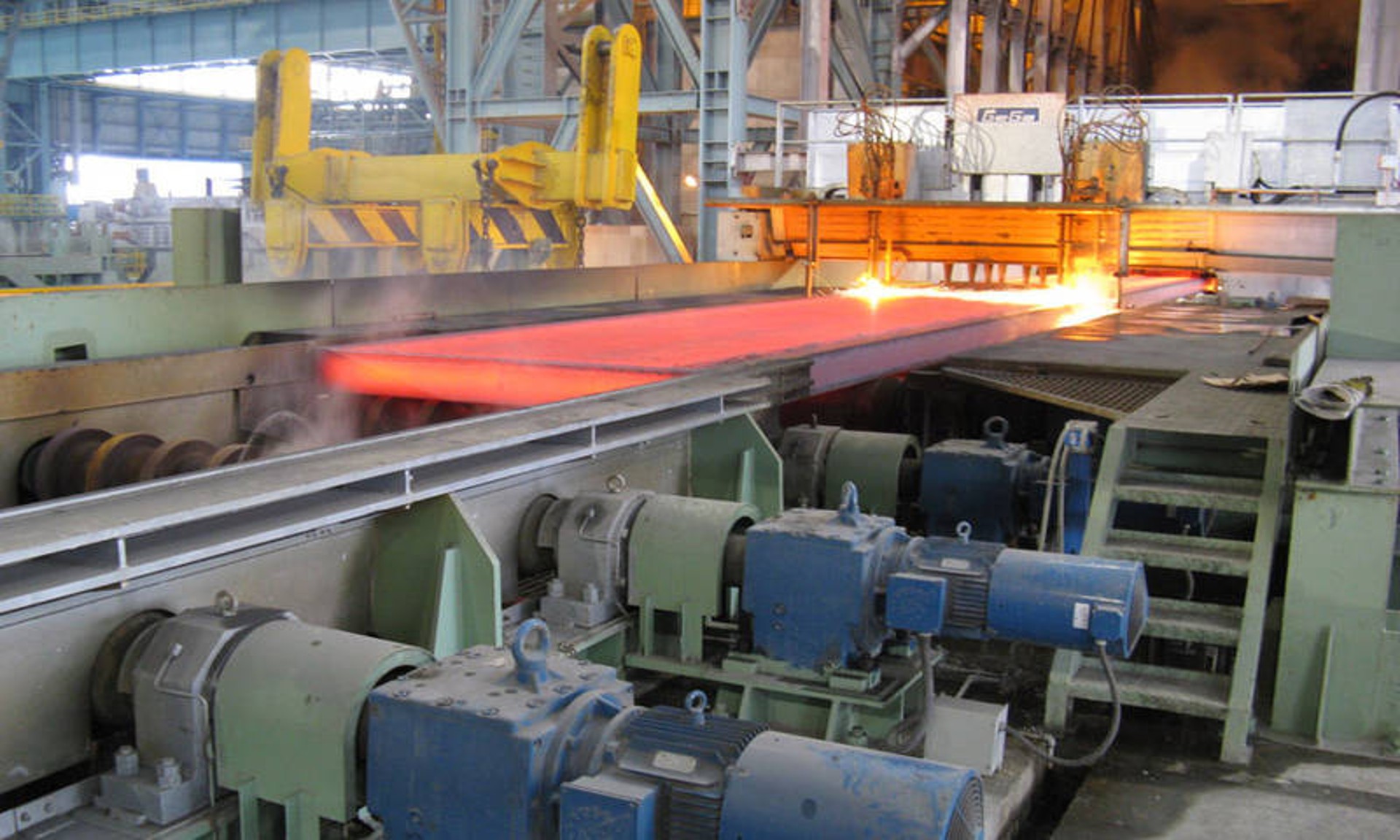
Medium voltage motors are particularly suitable for professionals working with heavy‑load equipment. They are ideally suited for the HVAC industry, such as industrial fan and screw compressor manufacturers, as well as the pump industry, mining, petrochemical and marine sectors.
Insulation systems
The stators on medium voltage motors feature an improved insulation system tailored for medium‑voltage operation. This includes a vacuum impregnation system where all recesses are filled with varnish and corona‑protection material to prevent electrical degradation of insulation materials. In addition, creepage distances and air gaps from conductor to earth are larger.
In contrast to low‑voltage motors, medium‑voltage motors do not adopt terminal connection plates; connections are completed using high‑voltage insulators.
Electrical and Thermal Life Testing
The higher the operating voltage, the greater the impact on motor service life. Therefore, thorough documentation and testing are essential for motor quality assurance.
Medium voltage motors undergo both electrical‑life and thermal‑life testing. Complete documentation is available for motors designed for a service life of at least 20 000 hours.
If variable‑speed operation is required, motors with current‑insulated bearings can be deployed. Similar to the configuration applied to low‑voltage motors, bearing currents are suppressed to further extend overall service life.
Authorized Installation
While most electricians can connect low‑voltage motors, working with higher‑voltage equipment is more complex. Therefore, deploying medium voltage motors calls for thorough technical consultation and close technical communication.
Special authorization is required to install medium voltage motors and complete their electrical connections. Professional sales and technical teams can deliver full‑range support, including proper motor‑model selection and guidance on electrical connection accessories such as clamps and cables.
Too high or too low operating voltage
Excessively high voltage can trigger premature failure of electrical and electronic components (e.g. circuit boards) caused by overheating. Damage from overheating is cumulative and irreversible. Motors, nevertheless, can often tolerate moderately elevated voltage levels. The principle is straightforward: as voltage rises, current drops, and lower current generally generates less heat inside motor windings.
Undervoltage is also a major cause of motor overheating and premature failure. Under low‑voltage conditions, motors draw extra current to deliver target power output, which results in overheated windings.
Unstable voltage levels put both motors and related electronic hardware at risk of damage. Persistent failures of such equipment often point to underlying voltage‑quality issues. When operating motors, voltage levels must be properly controlled to avoid equipment damage.
Medium voltage motors are engineered for highly demanding and extreme industrial operating conditions. They deliver high efficiency, outstanding mechanical robustness, long service life and convenient maintenance.