

Synchronous AC Motors: An Overview of Principles and Operation
All electric alternating-current motors convert electrical energy into rotational mechanical power, yet distinct structural and operational designs separate different AC motor variants to fit unique industrial and civilian scenarios. While induction-type AC motors dominate general usage, synchronous AC motors fill a critical niche where rigid constant-speed performance and adjustable power factor are non-negotiable requirements. This guide elaborates on synchronous AC motors’ definition, core makeup, operational logic, classification, key traits and real-world deployment scenarios.
What Exactly Are Synchronous AC Motors?
Synchronous AC motors represent a specialized subset of alternating-current machines. Their core distinguishing trait lies in zero rotational slip during stable operation: the rotor’s spinning velocity perfectly matches the rotational magnetic field (RMF) generated inside the stator frame, fully synchronized to the oscillation frequency of the incoming AC power grid.
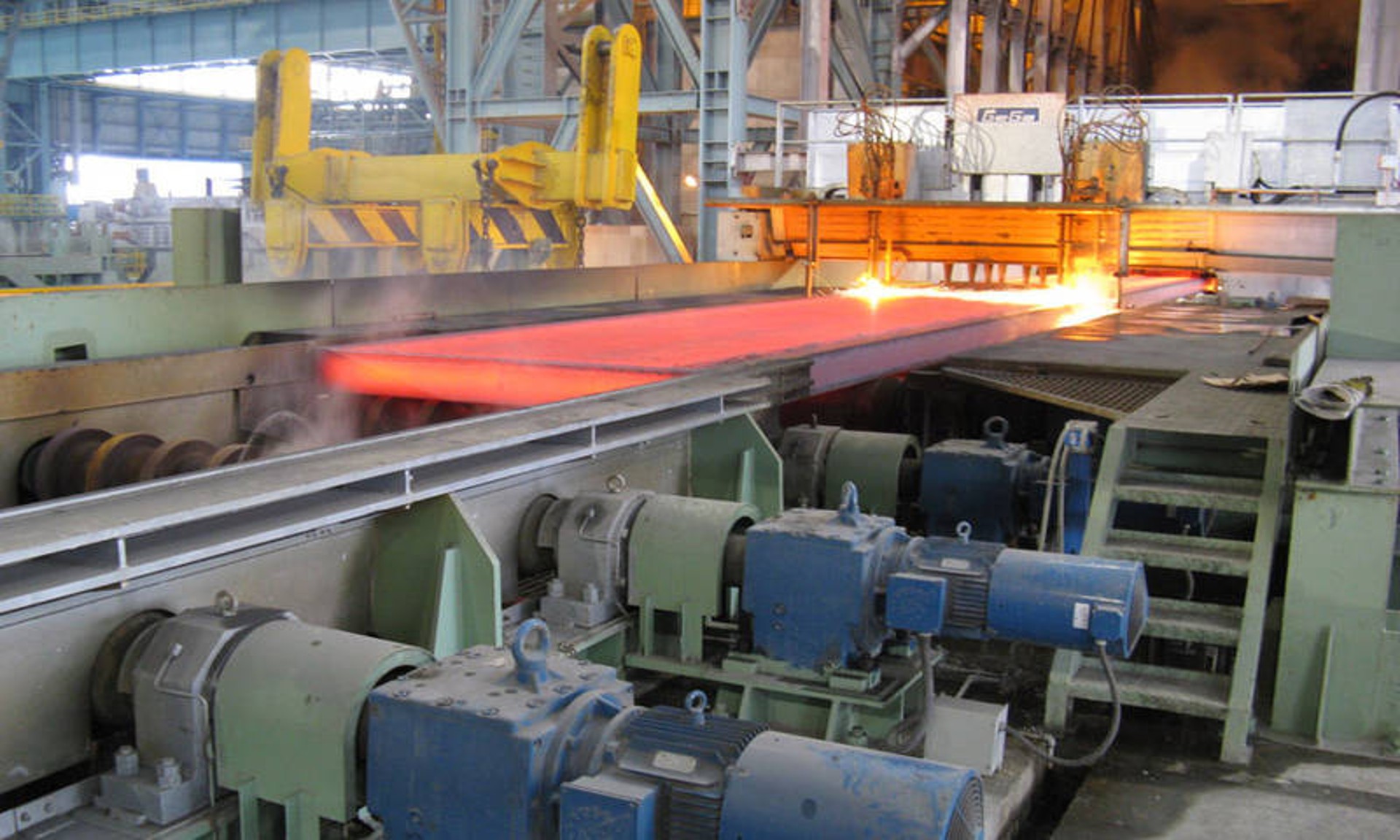
Conventional induction AC motors rely on electromagnetic induction to generate torque, which inevitably creates a speed gap known as slip between the stator RMF and rotor rotation. This speed deviation disqualifies them from precision timing equipment. In contrast, synchronous AC motors eliminate slip entirely. Their rotor magnet field locks magnetically to the stator’s rotating flux, delivering rotation speed strictly proportional to supply frequency regardless of normal load fluctuations. This trait makes them the top choice for equipment demanding ultra-stable rotational output, including industrial rolling mills, analog clocks, turntables and precision recording devices. Though less widely deployed than induction AC motors and limited by more complex structures, synchronous AC motors remain irreplaceable for high-precision, power-factor-optimized projects.
Core Structural Components of Synchronous AC Motors
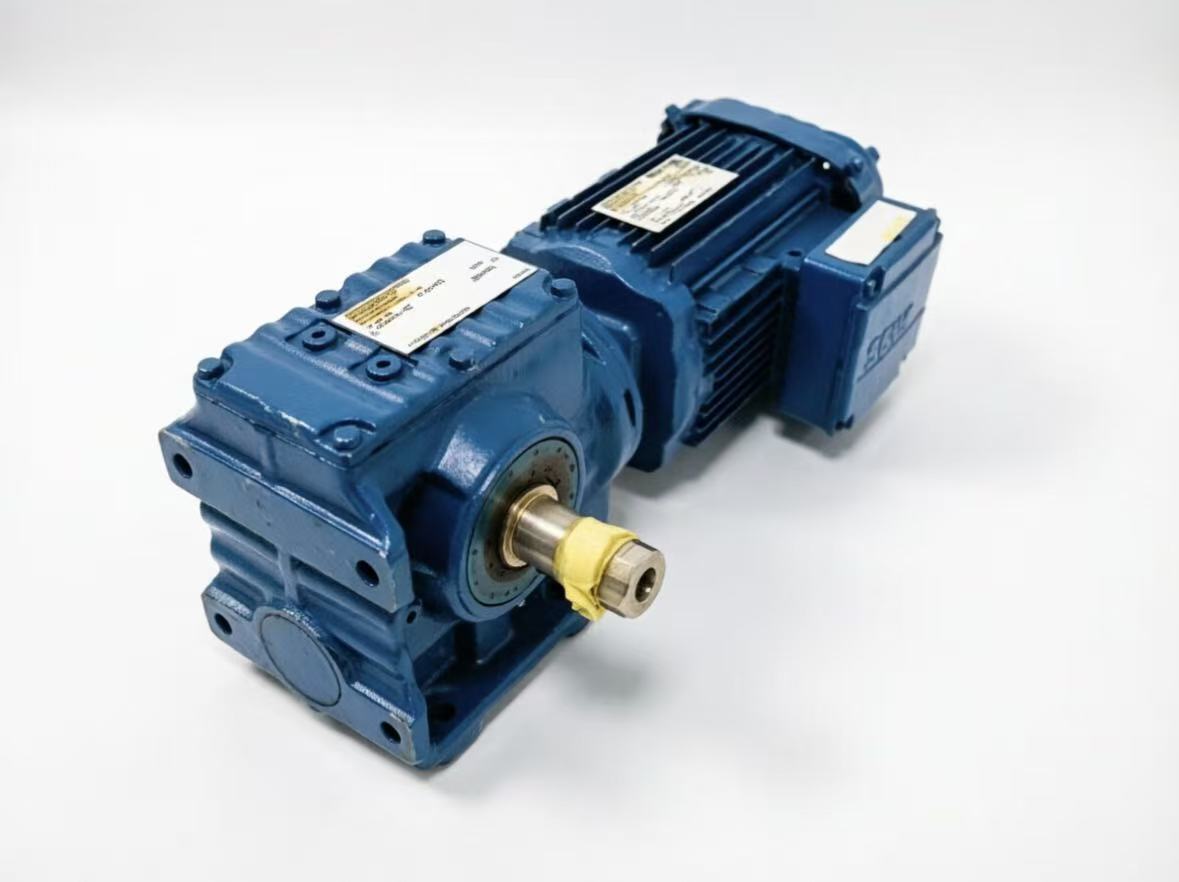
The full assembly of synchronous AC motors relies on coordinated operation of multiple core parts to guarantee stable, high-efficiency running, with each component bearing a dedicated function:
- Stator Assembly
Serving as the stationary outer framework, the stator is stacked from silicon steel laminations with evenly distributed internal slots for winding placement. Its central duty is generating the rotating magnetic field that drives the whole machine once energized by three-phase alternating current. - Three-Phase Stator Windings
Fabricated with high-grade super-enameled copper wire, these windings adopt star or delta wiring configurations and slot into stator inner grooves. When fed three-phase AC power, they produce the continuous rotating magnetic field essential for motor torque output. - Rotor Body
The rotating cylindrical core of synchronous AC motors, also laminated with silicon steel to minimize magnetic loss and amplify flux conductivity. Multiple magnetic poles are arranged on its outer circumference, categorized as salient (protruding poles) or non-salient cylindrical pole designs. - Rotor Excitation Windings
Enameled copper coils wrapped around each rotor pole. Once energized by steady direct current from an auxiliary exciter, they build a fixed magnetic field on the rotor, enabling magnetic locking with the stator’s rotating flux. - Integrated DC Exciter
A compact shunt DC generator mounted coaxially on the rotor shaft. As the synchronous AC motor spins, the exciter autonomously produces direct excitation current and feeds it to rotor windings, forming a self-sustaining excitation loop without external DC power supplies. - Phosphor Bronze Slip Rings & Carbon Brushes
Two slip rings fixed to the rotor shaft transfer DC excitation current from the stationary brush assembly to the revolving rotor windings. Carbon brushes maintain consistent contact with slip ring surfaces to ensure smooth, low-loss power transmission during continuous rotation.
Fundamental Operating Mechanism of Synchronous AC Motors
Synchronous AC motors are defined as double-excitation electrical machines, receiving two independent power inputs simultaneously: three-phase alternating current to stator windings and direct current to rotor field coils.
- Three-phase current passing through stator windings generates a revolving alternating magnetic flux inside the motor housing.
- DC supplied to rotor windings forms a static, unchanging magnetic field with fixed north-south poles on the rotor.
- At startup, the stator RMF rotates rapidly while the rotor remains static due to mechanical inertia. The alternating attraction and repulsion between mismatched stator and rotor poles cancel out overall torque, resulting in zero net driving force—this explains why synchronous AC motors cannot self-start from rest.
- To resolve this limitation, an auxiliary driving force (such as built-in damper induction windings, pony starter motors or variable frequency drives) must accelerate the rotor until its rotational speed approaches the theoretical synchronous speed. Once the rotor nearly matches the RMF velocity, opposite magnetic poles of stator and rotor align firmly via magnetic locking. After synchronization takes hold, the auxiliary startup mechanism can be disengaged, and the synchronous AC motor will maintain constant synchronized rotation under varying operational loads.
Core Performance Characteristics of Synchronous AC Motors
- No inherent self-starting capability
Static rotor inertia prevents instant magnetic coupling with the fast-spinning stator flux. Supplementary startup structures or external driving equipment are mandatory to bring rotor speed close to synchronous velocity before stable operation. - Absolute constant-speed operation under fixed grid frequency
Rotational speed is rigidly tied to AC supply frequency and unaffected by load variations within the breakdown torque threshold. This constant-speed property is the foundation for all precision timing and processing equipment applications. - Adjustable power factor spanning lagging, unity and leading states
By fine-tuning the DC excitation current fed to rotor windings, synchronous AC motors can operate at three distinct power factor modes. This unique capability enables them to compensate reactive power for industrial power grids, a function induction AC motors cannot perform as they only run at lagging power factor.
Classifications of Synchronous AC Motors by Rotor Excitation Mode
Synchronous AC motors are split into two major families based on how the rotor obtains its magnetic field: non-excited synchronous AC motors and DC current-excited synchronous AC motors.
1. Non-Excited Synchronous AC Motors
This category eliminates external DC excitation sources, relying on the ferromagnetic properties of rotor materials to interact with the stator rotating field. It covers three mainstream sub-types:
- Hysteresis Synchronous AC Motors
Their rotor core wraps a ferromagnetic hysteresis ring around a non-magnetic central shaft. Hysteresis energy loss creates a phase offset between rotor and stator flux, generating steady rotational torque. Featuring ultra-smooth, low-noise operation, they are widely adopted in audio devices including turntables and tape recorders. - Reluctance Synchronous AC Motors
Torque originates from magnetic reluctance differences. The ferromagnetic rotor features recessed barrier slots that create uneven magnetic resistance across different rotor angles. The stator RMF continuously pulls the rotor toward the low-reluctance aligned position, producing reluctance torque and pulling the rotor into synchronous rotation. Their structural design shares similarities with stepping and induction AC motors. - Permanent Magnet Synchronous AC Motors (PMSM)
Embedded permanent magnets supply the rotor’s fixed magnetic flux without any winding excitation. Magnetic interaction between rotor permanent poles and stator RMF delivers precise rotary output. Variable frequency drives (VFDs) are required to adjust speed and torque, as rotation speed is fully dependent on stator AC frequency modulation.
2. DC Current-Excited Synchronous AC Motors
The most widely used heavy-duty synchronous AC motor variant, requiring both AC stator supply and DC rotor excitation. Rotor coils mirror stator winding structures; direct current energizes these coils to establish a controllable rotor magnetic field that locks with the stator RMF for synchronized rotation. These units typically exceed 1 horsepower, dominating large-scale industrial heavy-load applications and are the most commonly referenced “synchronous AC motors” in engineering contexts.
Primary Application Scenarios for Synchronous AC Motors
- Grid power factor correction equipment
When running under no-load or light-load conditions, synchronous AC motors operate at leading power factor and inject reactive power back to power grids. They serve as an effective alternative to static capacitors in sites where capacitor installation is impractical, cutting grid transmission losses and boosting overall power supply efficiency. - Heavy low-speed, high-torque industrial drives
Large DC-excited synchronous AC motors power heavy machinery demanding steady low-speed rotation: industrial grinding mills, wood chippers, chemical agitators, large water pumps and high-pressure air compressors. - Precision timing & miniature precision devices
Small non-excited synchronous AC motors power wall clocks, microwave timing assemblies, hard disk drives, vehicle windshield wipers, signal transmitters and laboratory recording instruments. Their frequency-locked speed eliminates timing drift over long-term operation. - High-efficiency motion control equipment
Permanent magnet synchronous AC motors are deployed in CNC machine tools, automated robotics and precision assembly lines, delivering consistent speed accuracy and superior energy efficiency compared to induction AC motor counterparts.
Summary
While induction AC motors offer low cost and simple maintenance for general-purpose drive tasks, synchronous AC motors deliver unmatched value in scenarios requiring fixed rotational speed and power factor regulation. Their adjustable power factor capability resolves reactive power waste in industrial distribution networks, and their slip-free constant rotation enables flawless performance for all timing-sensitive precision machinery. Despite more intricate construction and higher upfront costs relative to induction AC motors, synchronous AC motors remain irreplaceable core equipment across precision manufacturing, heavy industry and power grid optimization fields.
Should you have demands for custom synchronous AC motor solutions or detailed technical quotations, feel free to reach out to our engineering team for professional support.