Navigating Industry 4.0: The Role of Four Sea Supply Chain in the Digital Revolution
Understanding Industry 4.0
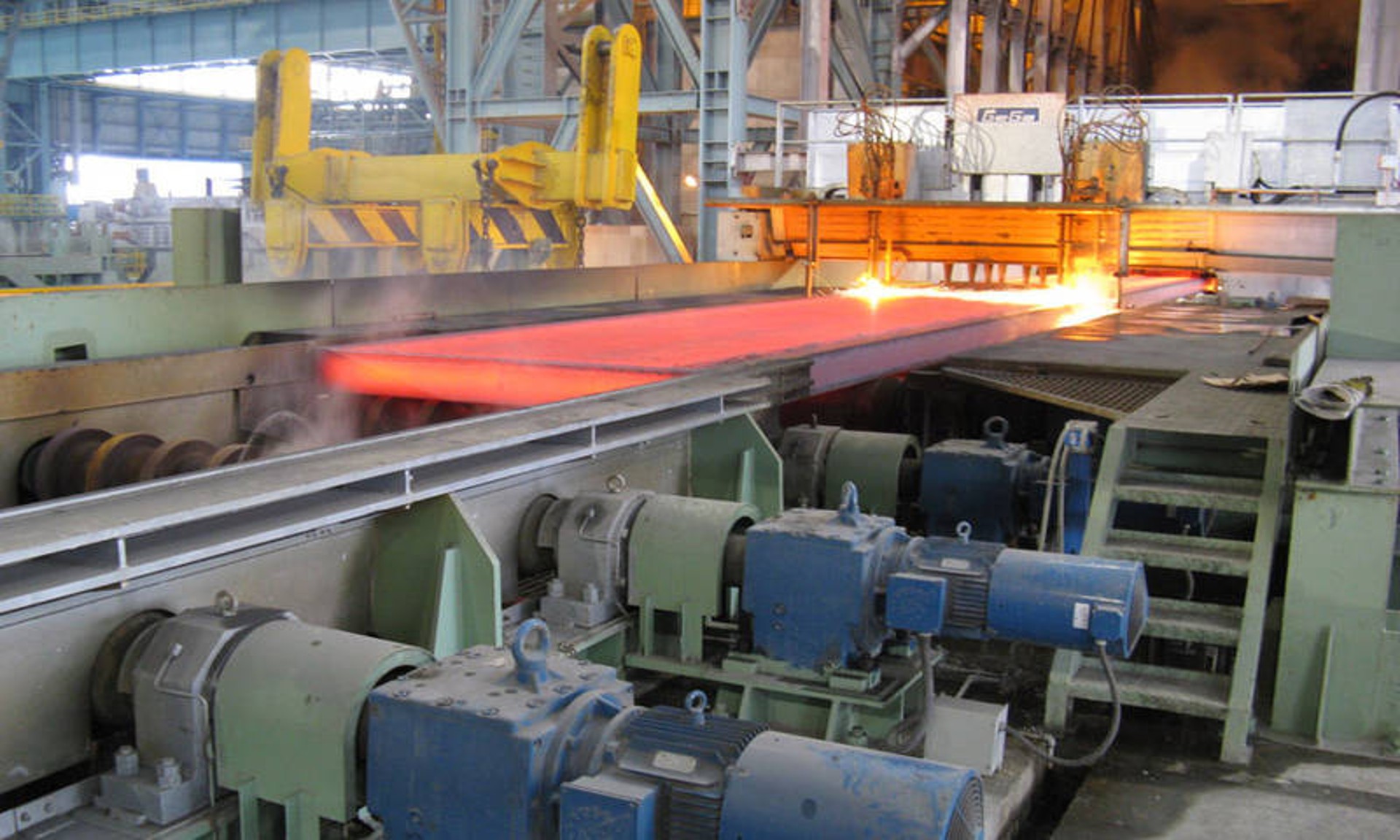
Industry 4.0 refers to the fourth industrial revolution, characterized by the fusion of digital, physical, and biological worlds. It leverages technologies like the Internet of Things (IoT), artificial intelligence, cloud computing, and cyber-physical systems to create smart factories. These factories can monitor physical processes, make decentralized decisions, and communicate in real-time. The goal is to achieve greater efficiency, flexibility, and customization in production, while reducing waste and downtime.
The Backbone of Industry 4.0: Four Sea Supply Chain
Four Sea Supply Chain is a pioneering concept that aligns with Industry 4.0 principles by integrating end-to-end digitalization across the supply chain. It encompasses the entire flow of goods, information, and finances from raw material suppliers to end consumers. By adopting smart logistics, real-time tracking, and predictive analytics, Four Sea Supply Chain enhances visibility and responsiveness. For instance, IoT sensors on containers provide live data on location, temperature, and humidity, enabling proactive decision-making and reducing losses.
Key Technologies Driving Transformation
Several technologies underpin Industry 4.0 and empower Four Sea Supply Chain. Big data analytics processes vast amounts of data from multiple sources to forecast demand and optimize inventory. Digital twins simulate supply chain scenarios, allowing companies to test changes without disrupting operations. Blockchain ensures transparency and security in transactions, while autonomous robots and drones streamline warehouse operations and last-mile delivery. These innovations reduce human error, accelerate processes, and enable mass customization.
Benefits and Challenges
Implementing Industry 4.0 in supply chains offers numerous benefits: increased productivity, cost savings, improved quality, and enhanced customer satisfaction. However, challenges include high initial investment, cybersecurity risks, and the need for skilled workforce. Companies must also manage legacy system integration and data interoperability. Four Sea Supply Chain mitigates these risks by promoting modular architectures and cloud-based platforms that facilitate scalability and collaboration.
Real-World Applications
Many companies already leverage Four Sea Supply Chain within Industry 4.0 frameworks. For example, a global electronics manufacturer uses IoT-enabled production lines to reduce defects by 30% and energy consumption by 15%. A retail giant employs AI-driven demand forecasting to cut inventory costs by 20%. These cases demonstrate the tangible impact of digital transformation on operational excellence and sustainability.
Common Questions
What is the difference between Industry 4.0 and Supply Chain 4.0?
Industry 4.0 focuses on smart manufacturing, while Supply Chain 4.0 extends these concepts across the entire supply network. Both rely on similar technologies but differ in scope.
How does Four Sea Supply Chain ensure cybersecurity?
By implementing encrypted communications, multi-factor authentication, and continuous monitoring. Blockchain adds an extra layer of security against unauthorized changes.
What is the ROI of adopting Industry 4.0 in supply chains?
Typical ROI includes 10-30% reduction in operational costs, 20-50% decrease in downtime, and improved customer satisfaction. Benefits often materialize within 12-18 months.