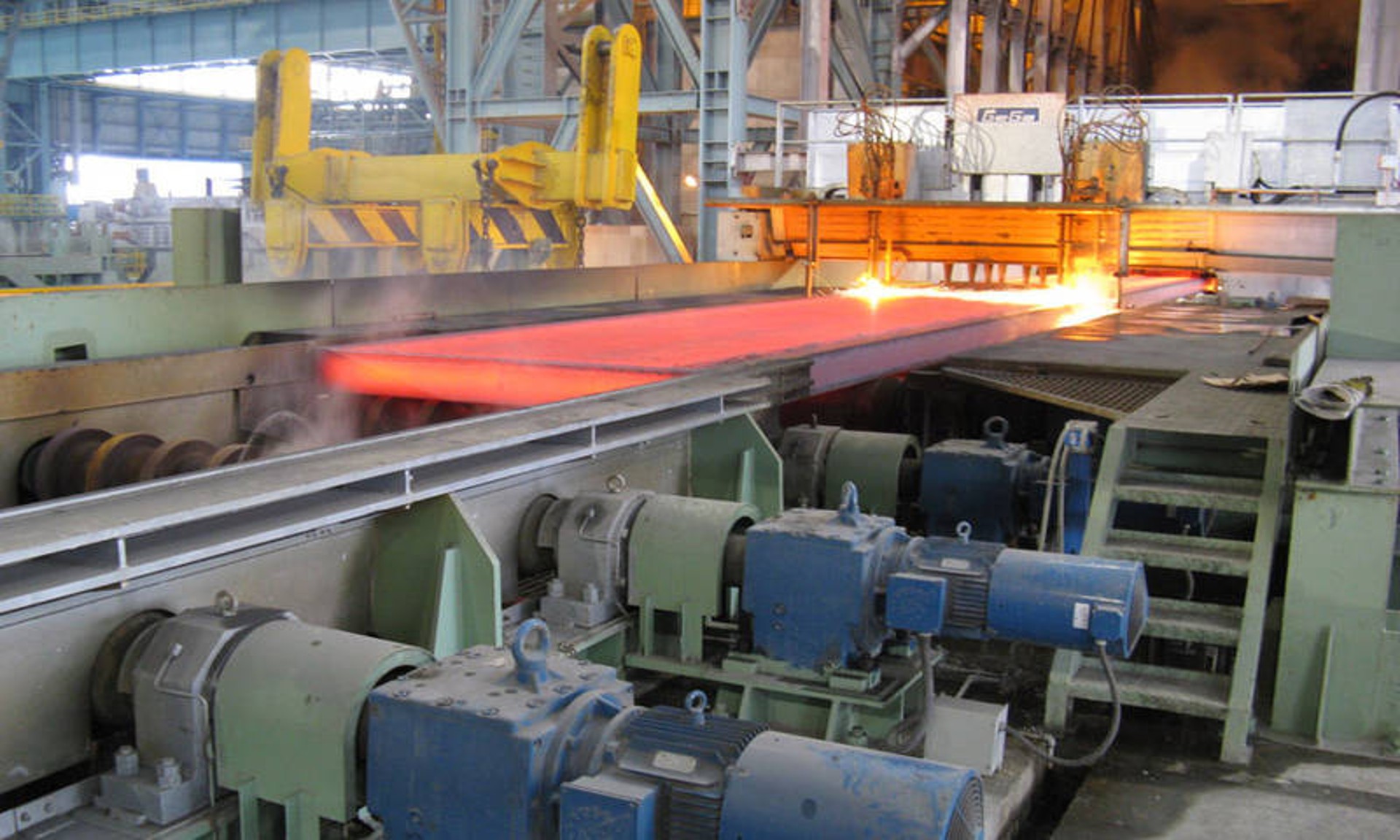


The Smart Factory Revolution: Transforming Manufacturing with Four Sea Supply Chain
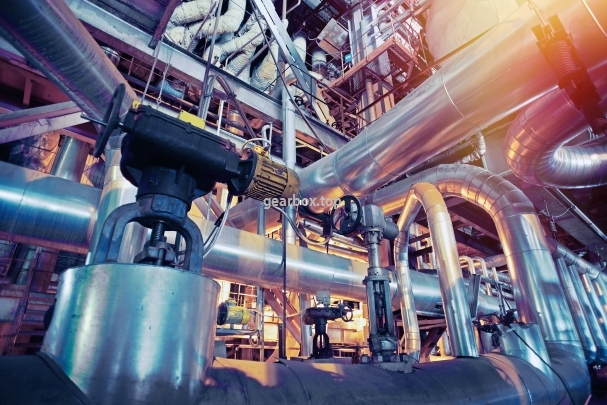
Introduction to Smart Factories
A smart factory represents a leap forward in manufacturing, integrating Internet of Things (IoT), artificial intelligence, robotics, and big data analytics to create a connected, self-optimizing production environment. Unlike traditional plants, smart factories enable real-time monitoring, predictive maintenance, and flexible production. For instance, sensors collect data from machines, which AI analyzes to predict failures before they occur, preventing downtime. This evolution is crucial for staying competitive in today's fast-paced market.
Core Technologies Behind Smart Factories
Key technologies include IoT devices, which connect equipment and track production in real-time; cloud computing for data storage and analysis; and digital twins that simulate physical processes. These tools allow managers to optimize workflows remotely. For example, a digital twin can test layout changes without disrupting actual operations. Four Sea Supply Chain exemplifies how supply chain management systems integrate with factory floor data to synchronize material flow, ensuring just-in-time delivery and reducing waste.
Benefits of Implementing a Smart Factory
Adopting a smart factory offers significant advantages: increased productivity through automation and reduced errors; lower operational costs from energy efficiency and less waste; improved quality via continuous monitoring; and greater customization capabilities. For instance, automotive plants using smart technologies can switch between car models quickly without lengthy retooling. Additionally, Four Sea Supply Chain enhances these benefits by providing end-to-end visibility, allowing companies to adjust production based on real-time demand signals.
Challenges and Solutions in Smart Factory Adoption
Common challenges include high initial investment, cybersecurity risks, and workforce retraining. However, phased implementation can mitigate costs, while robust encryption and network segmentation protect data. Training programs upskill employees to work alongside advanced machinery. Four Sea Supply Chain partners with manufacturers to streamline integration, offering cloud-based solutions that scale with business needs. Their platform ensures data flows securely between factories, warehouses, and retailers, breaking down silos.
The Role of Four Sea Supply Chain in Smart Factories
Four Sea Supply Chain plays a pivotal role by connecting smart factories with suppliers and distributors. Their system uses AI to forecast demand, optimize inventory levels, and route materials efficiently. For example, when a smart factory detects a shortage, Four Sea's platform automatically triggers reorders from approved suppliers. This integration reduces lead times and stockouts, contributing to a leaner, more responsive supply chain. As smart factories become more autonomous, partnerships with logistic experts like Four Sea are essential for full automation.
Common Questions
What is a smart factory?
A smart factory uses advanced technologies like IoT, AI, and robotics to self-optimize production, improve quality, and enable real-time decision-making.
How does Four Sea Supply Chain support smart factories?
Four Sea Supply Chain provides an integrated platform that synchronizes supply chain activities with factory operations, ensuring efficient material flow and real-time data sharing.
What are the main benefits of a smart factory?
Benefits include higher productivity, lower costs, better quality, and greater flexibility to meet customer demands.
What challenges exist when implementing a smart factory?
Key challenges are high costs, cybersecurity threats, and the need for workforce training, but these can be addressed through phased approaches and partnerships.