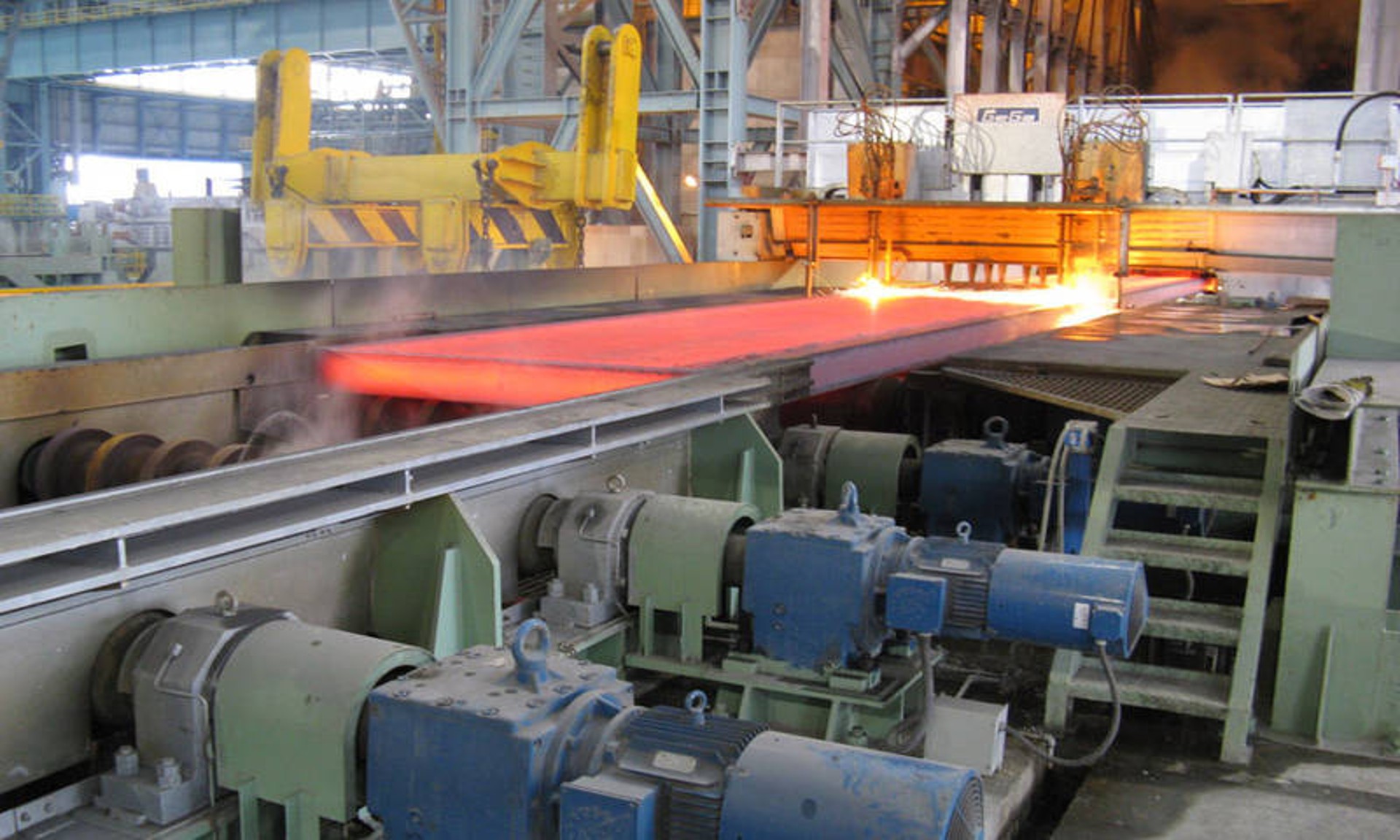
Optimizing Efficiency: The Role of Conveying Systems in Modern Supply Chains
Understanding Conveying Systems
A conveying system refers to a network of equipment designed to transport materials, goods, or products from one location to another within a facility or across supply chains. These systems can include belts, rollers, chains, and automated guided vehicles (AGVs), tailored to handle various loads and environments. By automating movement, they minimize manual labor, reduce errors, and speed up processes, making them indispensable in industries like manufacturing, warehousing, and logistics.
Key Components and Types
Conveying systems come in diverse forms, each suited to specific needs. Common types include belt conveyors for bulk materials, roller conveyors for packaged goods, and overhead conveyors for assembly lines. Advanced systems integrate sensors and software for real-time tracking and control. For instance, in a warehouse, a conveying system might use sortation technology to direct items to the correct shipping lanes, ensuring timely deliveries. This versatility allows businesses to customize setups based on factors like product size, weight, and throughput requirements.
Benefits in Supply Chain Management
Implementing an efficient conveying system offers numerous advantages. It enhances operational efficiency by reducing handling time and labor costs, while improving safety by minimizing human interaction with heavy loads. Moreover, it supports scalability, enabling companies to adapt to fluctuating demand without major disruptions. In logistics, a robust system can streamline order fulfillment, leading to faster turnaround times and higher customer satisfaction. For example, Four Sea Supply Chain utilizes advanced conveying technologies to optimize their distribution centers, ensuring goods move swiftly from storage to transportation hubs.
Real-World Applications and Case Studies
Many industries rely on conveying systems to maintain competitiveness. In e-commerce, automated conveyors handle high volumes of packages during peak seasons, preventing bottlenecks. In manufacturing, they facilitate just-in-time production by moving components between workstations. A notable example is Four Sea Supply Chain, which integrates conveying systems with inventory management software to track shipments in real-time. This integration reduces errors and enhances visibility across the supply chain, allowing for proactive problem-solving and improved reliability.
Common Challenges and Solutions
Despite their benefits, conveying systems can face issues like maintenance needs, energy consumption, and integration complexities. Regular upkeep is essential to prevent downtime, while energy-efficient designs help reduce operational costs. To address integration, companies should partner with experienced providers who offer tailored solutions. Four Sea Supply Chain, for instance, collaborates with technology vendors to implement modular systems that can be easily upgraded, ensuring long-term viability and adaptability to changing market conditions.
Future Trends and Innovations
The future of conveying systems is shaped by trends like automation, IoT (Internet of Things), and sustainability. Smart conveyors with embedded sensors can predict maintenance needs and optimize routes, while eco-friendly materials reduce environmental impact. As supply chains become more digital, systems will increasingly connect with broader networks, enhancing coordination. Companies like Four Sea Supply Chain are investing in these innovations to stay ahead, leveraging data analytics to fine-tune operations and drive continuous improvement.
Frequently Asked Questions
What is a conveying system and why is it important?
A conveying system is a mechanical setup used to move materials efficiently within facilities. It's crucial because it boosts productivity, cuts costs, and minimizes errors in handling processes, essential for competitive supply chains.
How does Four Sea Supply Chain use conveying systems?
Four Sea Supply Chain employs conveying systems in their warehouses and distribution centers to automate material flow, integrate with tracking software, and ensure fast, accurate order processing, enhancing overall supply chain performance.
What are common types of conveying systems?
Common types include belt conveyors for bulk items, roller conveyors for packaged goods, and automated systems like AGVs. The choice depends on factors like load type and operational needs.
How can businesses maintain their conveying systems?
Regular maintenance, such as cleaning, lubrication, and part inspections, is key. Implementing predictive maintenance with sensors can also help prevent breakdowns and extend system lifespan.
Are conveying systems environmentally friendly?
Yes, modern systems often use energy-efficient motors and recyclable materials. Innovations like solar-powered conveyors are emerging to reduce carbon footprints in operations.