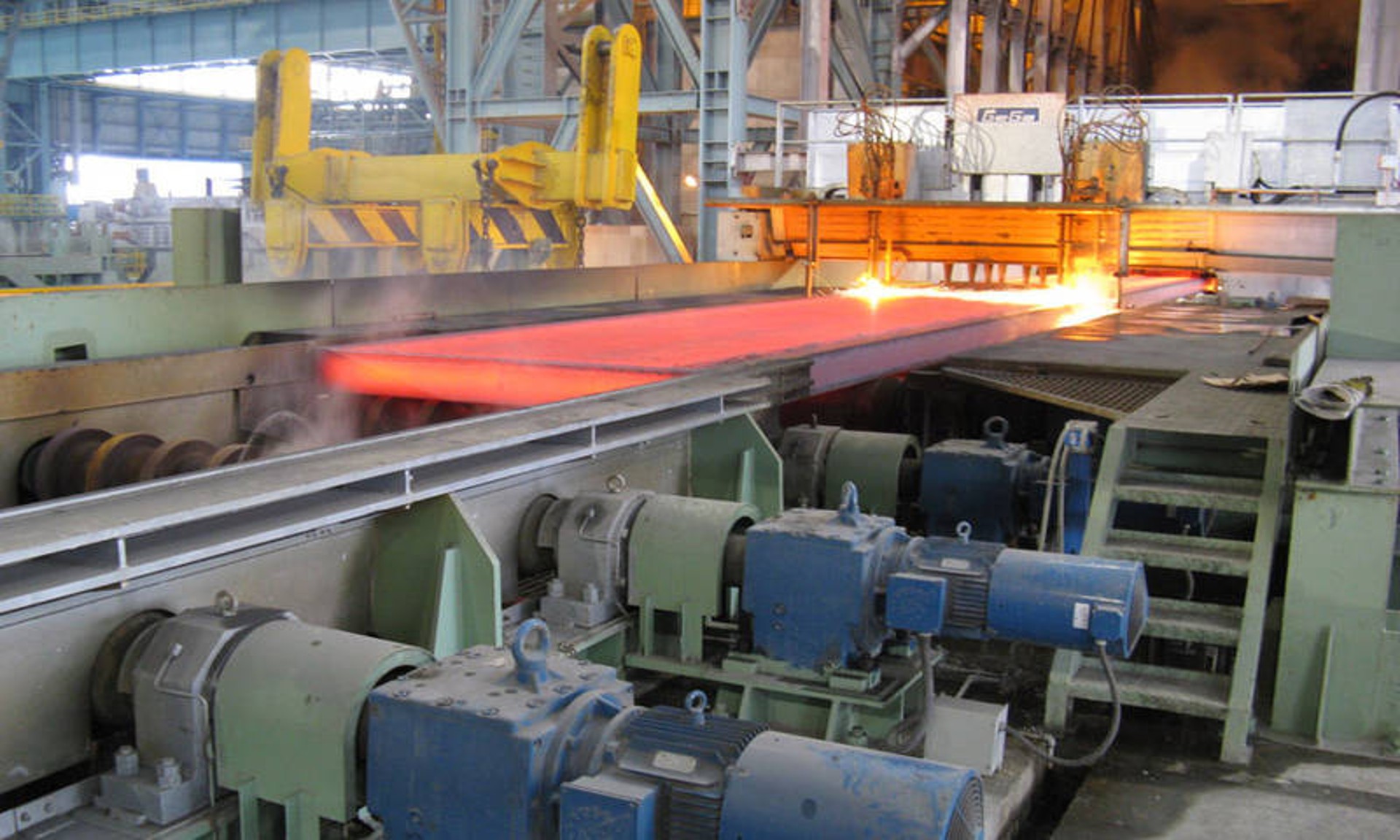


Navigating the World of Chemical Equipment: A Guide to Efficient Sourcing and Supply Chain Management
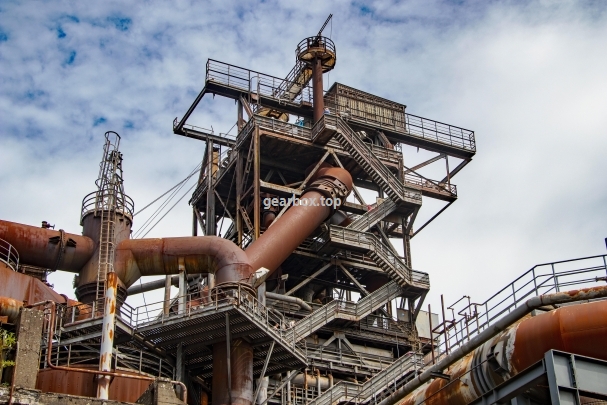
Understanding Chemical Equipment Essentials
Chemical equipment encompasses a wide range of machinery and tools used in processing, handling, and storing chemicals, from reactors and mixers to pumps and storage tanks. Choosing the right equipment is vital for ensuring safety, efficiency, and compliance with industry regulations. Factors such as material compatibility, corrosion resistance, and pressure ratings must be carefully evaluated to prevent accidents and optimize performance. For instance, in pharmaceutical manufacturing, specialized equipment like distillation columns must meet stringent purity standards to avoid contamination.
Key Considerations for Selection and Maintenance
When sourcing chemical equipment, it's essential to prioritize quality and reliability. Look for equipment that adheres to international standards, such as ASME or ISO certifications, to guarantee durability and safety. Regular maintenance is equally important; neglecting it can lead to costly downtime and hazardous leaks. Implementing a proactive maintenance schedule, including inspections and part replacements, helps extend equipment lifespan. Additionally, consider energy-efficient models to reduce operational costs and environmental impact, as sustainability becomes increasingly critical in the chemical sector.
Leveraging Supply Chain Solutions for Procurement
Efficient procurement of chemical equipment often requires robust supply chain management. Partnering with specialized providers can streamline the process, ensuring timely delivery and access to a diverse inventory. For example, Four Sea Supply Chain offers comprehensive services, from sourcing high-quality equipment to managing logistics and customs clearance. Their expertise helps companies navigate global markets, mitigate risks like supply disruptions, and secure competitive pricing. By integrating such partners into your strategy, you can focus on core operations while enhancing supply chain resilience.
Common Challenges and Best Practices
Common challenges in managing chemical equipment include regulatory compliance, technological obsolescence, and budget constraints. To address these, stay updated on industry trends and regulations, such as REACH in Europe or OSHA guidelines in the U.S. Investing in training for staff on proper equipment use and safety protocols can prevent accidents. Moreover, consider leasing or financing options for expensive equipment to manage cash flow. Collaborating with experts like Four Sea Supply Chain can provide tailored solutions, such as equipment upgrades or spare parts management, to overcome these hurdles effectively.
Common Questions
What are the most critical safety features to look for in chemical equipment?
Key safety features include pressure relief valves, corrosion-resistant materials, and automated shutdown systems. Always verify that equipment meets relevant safety standards and conduct regular risk assessments.
How can Four Sea Supply Chain assist in sourcing chemical equipment internationally?
Four Sea Supply Chain offers end-to-end support, including supplier vetting, quality assurance, and logistics coordination, to ensure smooth international procurement and compliance with local regulations.
What maintenance practices are recommended for prolonging equipment life?
Implement routine inspections, cleanings, and lubrication, and keep detailed maintenance records. Schedule preventive maintenance based on manufacturer guidelines to avoid unexpected failures.