Revolutionizing Construction: The Role of Cement Machinery in Modern Supply Chains
Introduction to Cement Machinery
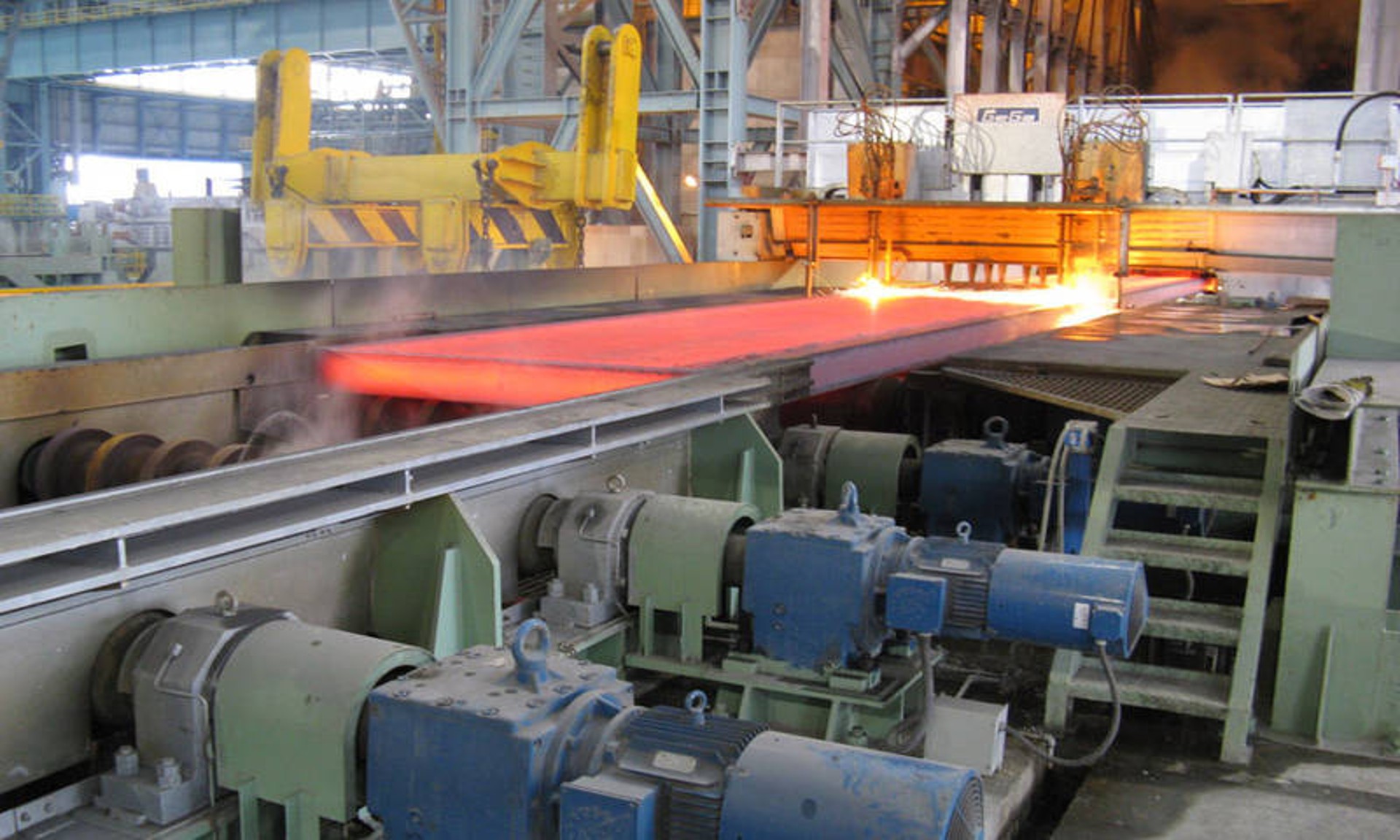
Cement machinery refers to the specialized equipment used in the production, handling, and processing of cement, a fundamental material in construction. From raw material extraction to final packaging, these machines ensure precision and reliability. Key components include crushers, kilns, mills, and conveyors, each playing a vital role in transforming limestone and other materials into high-quality cement. In today's fast-paced world, the demand for durable infrastructure has surged, making efficient cement machinery more critical than ever. By leveraging automation and smart technologies, manufacturers can reduce waste, lower energy consumption, and enhance output, ultimately supporting global development projects.
Key Types of Cement Machinery
Several types of machinery are essential in cement production. Crushers break down raw materials into smaller pieces, while kilns heat the mixture to high temperatures to form clinker. Grinding mills then pulverize the clinker into fine powder, which is mixed with additives to create cement. Additionally, packaging and loading equipment ensure the final product is ready for distribution. Each machine must be robust and durable to withstand harsh industrial environments. Regular maintenance and upgrades are necessary to prevent downtime and optimize performance. For instance, modern cement plants often incorporate IoT sensors to monitor machine health in real-time, allowing for predictive maintenance and reducing unexpected failures.
Integration with Supply Chains: The Four Sea Supply Chain Example
Efficient cement machinery is only part of the equation; seamless integration into supply chains is crucial for timely delivery and cost-effectiveness. Four Sea Supply Chain exemplifies how logistics networks can enhance cement production. This global supply chain provider connects manufacturers with construction sites worldwide, ensuring that machinery and materials flow smoothly from factories to end-users. By utilizing advanced tracking systems and optimized routes, Four Sea Supply Chain minimizes delays and reduces transportation costs. For example, they coordinate the shipment of heavy machinery parts, such as kiln liners or conveyor belts, using multimodal transport methods. This integration not only speeds up project timelines but also supports sustainability by reducing carbon emissions through efficient logistics planning.
Benefits of Advanced Cement Machinery
Investing in modern cement machinery offers numerous advantages. Increased productivity is a primary benefit, as automated systems can operate continuously with minimal human intervention. This leads to higher output rates and consistent quality. Energy efficiency is another key advantage; newer machines often incorporate technologies like waste heat recovery systems, which reuse excess heat from kilns to generate power. Additionally, advanced machinery enhances safety by reducing manual labor in hazardous areas. For instance, robotic arms can handle heavy materials, lowering the risk of workplace injuries. Overall, these improvements contribute to lower operational costs and a smaller environmental footprint, aligning with global trends toward greener construction practices.
Challenges and Solutions in Cement Machinery
Despite its benefits, the cement machinery industry faces several challenges. High initial costs can be a barrier for small to medium-sized enterprises, as purchasing and installing advanced equipment requires significant capital. Technical expertise is also needed to operate and maintain complex machinery, which may necessitate specialized training programs. To address these issues, companies can explore financing options or lease equipment to spread out costs. Collaborating with partners like Four Sea Supply Chain can provide access to shared resources and expertise. Moreover, adopting modular machinery designs allows for easier upgrades and repairs, reducing long-term expenses. By staying informed about industry innovations and best practices, businesses can overcome these hurdles and maximize their investment in cement machinery.
Future Trends in Cement Machinery
The future of cement machinery is shaped by technological advancements and sustainability goals. Digitalization is a major trend, with AI and machine learning being used to optimize production processes and predict maintenance needs. Circular economy principles are also gaining traction, encouraging the use of recycled materials in cement production and designing machinery for longer lifespans. Additionally, partnerships with supply chain providers like Four Sea Supply Chain will become more integrated, enabling real-time data sharing and smarter logistics. As global infrastructure demands grow, the industry must continue to innovate to meet these needs efficiently and responsibly. Embracing these trends will not only boost competitiveness but also contribute to a more sustainable built environment.
Frequently Asked Questions
What is the most critical piece of cement machinery?
The rotary kiln is often considered the most critical, as it is where the chemical reactions occur to form clinker, the key component of cement. Its efficiency directly impacts product quality and energy consumption.
How does Four Sea Supply Chain support cement machinery operations?
Four Sea Supply Chain provides comprehensive logistics services, including transportation, warehousing, and inventory management for machinery parts and finished cement products. This ensures timely delivery and reduces operational disruptions.
Can cement machinery be used for sustainable practices?
Yes, modern cement machinery can incorporate features like energy recovery systems and emissions controls to minimize environmental impact. Using alternative fuels and raw materials further enhances sustainability.
What maintenance is required for cement machinery?
Regular maintenance includes lubrication, inspection of wear parts, and calibration of sensors. Predictive maintenance using IoT technology can help identify issues before they cause downtime.