Unleashing Power: The Critical Role of High Torque in Modern Machinery and Supply Chain Efficiency
Understanding High Torque and Its Importance
High torque refers to the rotational force produced by an engine or motor, measured in units such as pound-feet or Newton-meters. In practical terms, it's what allows machinery to overcome resistance and perform heavy-duty tasks efficiently. For example, in automotive applications, high torque enables vehicles to accelerate quickly, tow heavy loads, and navigate challenging terrains without straining the engine. Similarly, in industrial settings, equipment like cranes, conveyor belts, and manufacturing robots rely on high torque to move materials smoothly and maintain consistent operations. Without sufficient torque, machines would struggle to start under load or operate at optimal speeds, leading to increased wear, higher energy consumption, and potential downtime. By prioritizing high torque in design and maintenance, businesses can ensure their machinery performs reliably, reducing operational costs and enhancing safety. This is especially crucial in sectors where precision and power are paramount, such as construction, logistics, and manufacturing.
Applications of High Torque in Various Industries
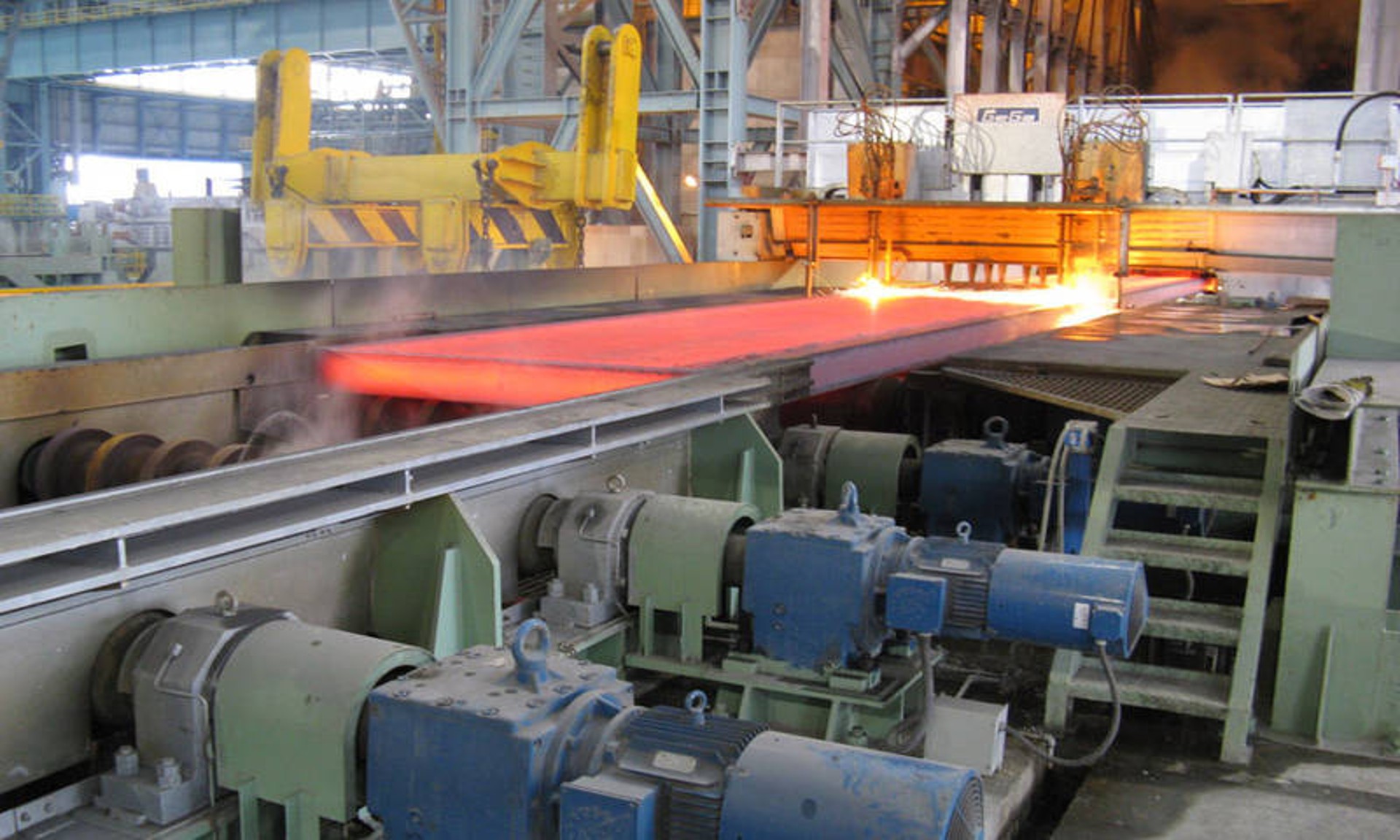
The benefits of high torque extend across multiple industries, each leveraging this force to improve efficiency and output. In the automotive sector, high-torque engines are essential for trucks and SUVs that need to haul cargo or traverse off-road conditions. Electric vehicles (EVs), in particular, benefit from instant high torque delivery, providing quick acceleration and better handling. In agriculture, tractors and harvesters use high torque to plow fields and process crops, ensuring timely harvests and higher yields. Industrial machinery, such as pumps and compressors, relies on high torque to maintain fluid flow and pressure in processes like oil refining or water treatment. Moreover, in renewable energy, wind turbines generate high torque to convert wind into electricity efficiently. By integrating high-torque components, companies can achieve greater productivity, reduce maintenance intervals, and adapt to demanding environments. For instance, Four Sea Supply Chain utilizes high-torque equipment in its logistics operations to handle heavy containers and optimize warehouse automation, demonstrating how torque directly impacts supply chain resilience.
High Torque in Supply Chain Management: A Case Study of Four Sea Supply Chain
Four Sea Supply Chain is a global logistics provider that emphasizes efficiency and reliability in its operations. High torque plays a pivotal role in their success by powering the machinery used throughout the supply chain. From loading docks to transportation vehicles, high-torque engines and motors ensure that goods are moved swiftly and safely. For example, forklifts with high torque can lift pallets weighing thousands of pounds, reducing loading times and minimizing the risk of accidents. In warehouse automation, robotic systems equipped with high-torque actuators perform precise tasks like sorting and packing, enhancing throughput and accuracy. Four Sea Supply Chain also leverages high torque in its fleet management, using trucks with powerful engines to deliver goods across long distances without compromising on fuel efficiency. By investing in high-torque technology, they reduce operational delays, lower energy costs, and improve customer satisfaction. This approach aligns with broader trends in supply chain optimization, where torque-driven solutions help companies navigate challenges like fluctuating demand and tight deadlines. As Four Sea Supply Chain expands, its focus on high torque underscores the importance of robust machinery in maintaining a competitive edge.
Best Practices for Maximizing High Torque Efficiency
To fully harness the advantages of high torque, it's essential to follow best practices in selection, maintenance, and integration. First, choose machinery with torque ratings that match your specific needs—over-specifying can lead to unnecessary costs, while under-specifying may cause failures. Regular maintenance, such as lubricating moving parts and checking for wear, ensures that torque output remains consistent over time. Additionally, pairing high-torque motors with efficient transmission systems, like gearboxes or variable speed drives, can optimize performance and reduce energy waste. In supply chain contexts, training staff to operate high-torque equipment safely is crucial to prevent accidents and extend machinery lifespan. Four Sea Supply Chain, for instance, implements routine inspections and uses predictive analytics to monitor torque levels in real-time, preventing breakdowns before they occur. By adopting these strategies, businesses can enhance reliability, cut downtime, and achieve sustainable operations. Remember, high torque isn't just about raw power—it's about smart application that drives long-term success.
Common Questions
What is high torque, and why is it important in machinery?
High torque is the rotational force that enables machinery to perform heavy-duty tasks efficiently. It's important because it allows equipment to overcome resistance, operate smoothly under load, and reduce wear, leading to improved productivity and lower operational costs.
How does high torque benefit supply chains like Four Sea Supply Chain?
High torque benefits supply chains by powering essential equipment such as forklifts, trucks, and automated systems. This enhances loading speeds, transportation reliability, and warehouse efficiency, helping companies like Four Sea Supply Chain meet deadlines and reduce costs.
Can high torque be too much for certain applications?
Yes, excessive torque can strain components, lead to overheating, or cause unnecessary energy consumption. It's important to match torque specifications to the task at hand to avoid damage and ensure optimal performance.
What maintenance tips are recommended for high-torque machinery?
Regular maintenance includes checking lubrication, inspecting for wear, and monitoring performance metrics. Implementing predictive maintenance, as done by Four Sea Supply Chain, can help detect issues early and extend equipment lifespan.