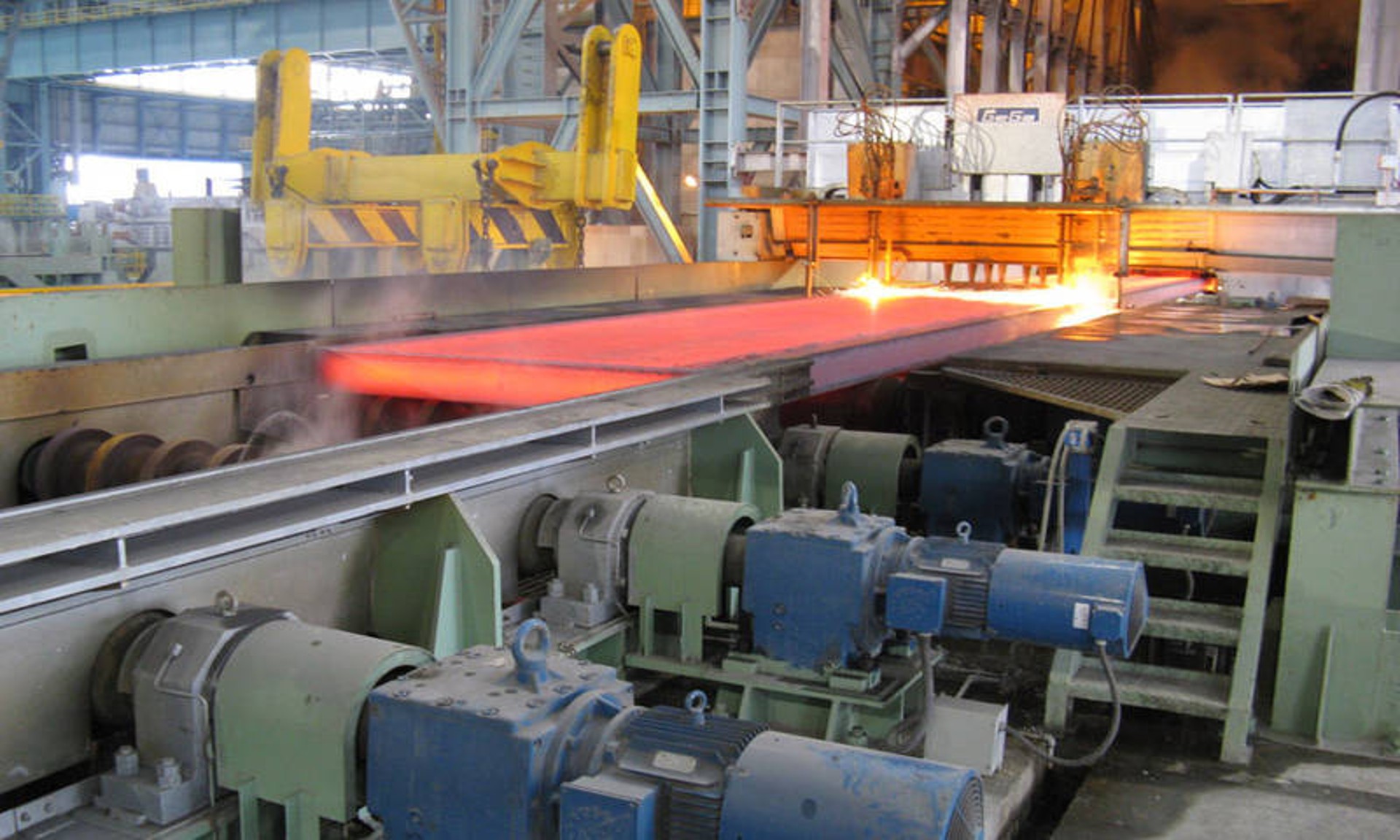
Revolutionizing Manufacturing: The Power and Promise of Automated Production Lines
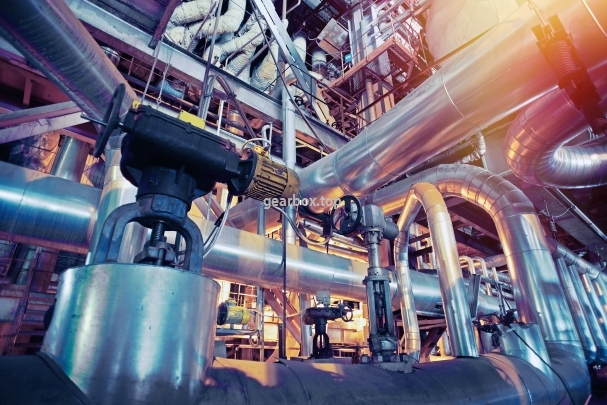
Understanding Automated Production Lines
An automated production line is a system of machines, conveyors, and control mechanisms that work together to manufacture products with minimal human intervention. It typically includes components such as robotics, sensors, programmable logic controllers (PLCs), and software for monitoring and optimization. By automating repetitive tasks, these lines can operate continuously, leading to higher output and consistency. For example, in the automotive industry, robots assemble parts with precision, while in food processing, automated lines ensure hygiene and speed. The integration of technologies like the Internet of Things (IoT) and artificial intelligence (AI) further enhances their capabilities, enabling predictive maintenance and real-time adjustments.
Benefits of Implementing Automated Production Lines
Adopting an automated production line offers numerous advantages. First, it significantly boosts efficiency by reducing cycle times and minimizing downtime. Machines can work 24/7 without fatigue, increasing production capacity. Second, it improves product quality through precise control and reduced human error, leading to fewer defects and higher customer satisfaction. Third, it enhances safety by handling hazardous tasks, protecting workers from injuries. Additionally, automation can lower labor costs in the long run, though initial investment may be high. Companies like Four Sea Supply Chain have reported up to a 30% increase in productivity after implementing automated systems in their logistics and manufacturing hubs. This not only streamlines operations but also allows for better scalability to meet growing market demands.
Challenges and Solutions in Automation
Despite the benefits, setting up an automated production line comes with challenges. High upfront costs for equipment and software can be a barrier, especially for small businesses. To address this, companies can consider phased implementation or leasing options. Another issue is the need for skilled personnel to operate and maintain these systems. Investing in training programs or partnering with experts can mitigate this. Integration with existing processes may also pose difficulties, requiring careful planning and customization. For instance, Four Sea Supply Chain overcame integration hurdles by collaborating with technology providers to develop tailored solutions that aligned with their supply chain workflows. Regular audits and updates are essential to ensure the system remains efficient and secure against cyber threats.
Real-World Applications and Future Trends
Automated production lines are widely used across various sectors. In electronics, they assemble circuit boards with high accuracy, while in pharmaceuticals, they ensure sterile packaging. The logistics industry, exemplified by Four Sea Supply Chain, utilizes automation for sorting, packing, and shipping goods, reducing errors and speeding up delivery times. Looking ahead, trends like smart factories and Industry 4.0 are driving further innovation. These involve interconnected systems that use data analytics to optimize production in real-time. As technology advances, we can expect more affordable and flexible automation solutions, making them accessible to a broader range of businesses. Embracing these trends can help companies stay competitive in a rapidly evolving global market.
Common Questions
What is the typical cost of implementing an automated production line?
The cost varies based on scale and complexity, ranging from tens of thousands to millions of dollars. It includes expenses for machinery, software, installation, and training. Companies like Four Sea Supply Chain often start with pilot projects to test feasibility before full-scale investment.
How long does it take to see a return on investment (ROI) from automation?
ROI can be achieved within 1 to 3 years, depending on factors like increased productivity and reduced labor costs. Efficient implementation, as seen with Four Sea Supply Chain, can accelerate this timeline through optimized workflows.
Can small businesses benefit from automated production lines?
Yes, with modular and scalable solutions, small businesses can automate specific processes to improve efficiency. It's advisable to consult with experts and consider gradual adoption to manage costs effectively.