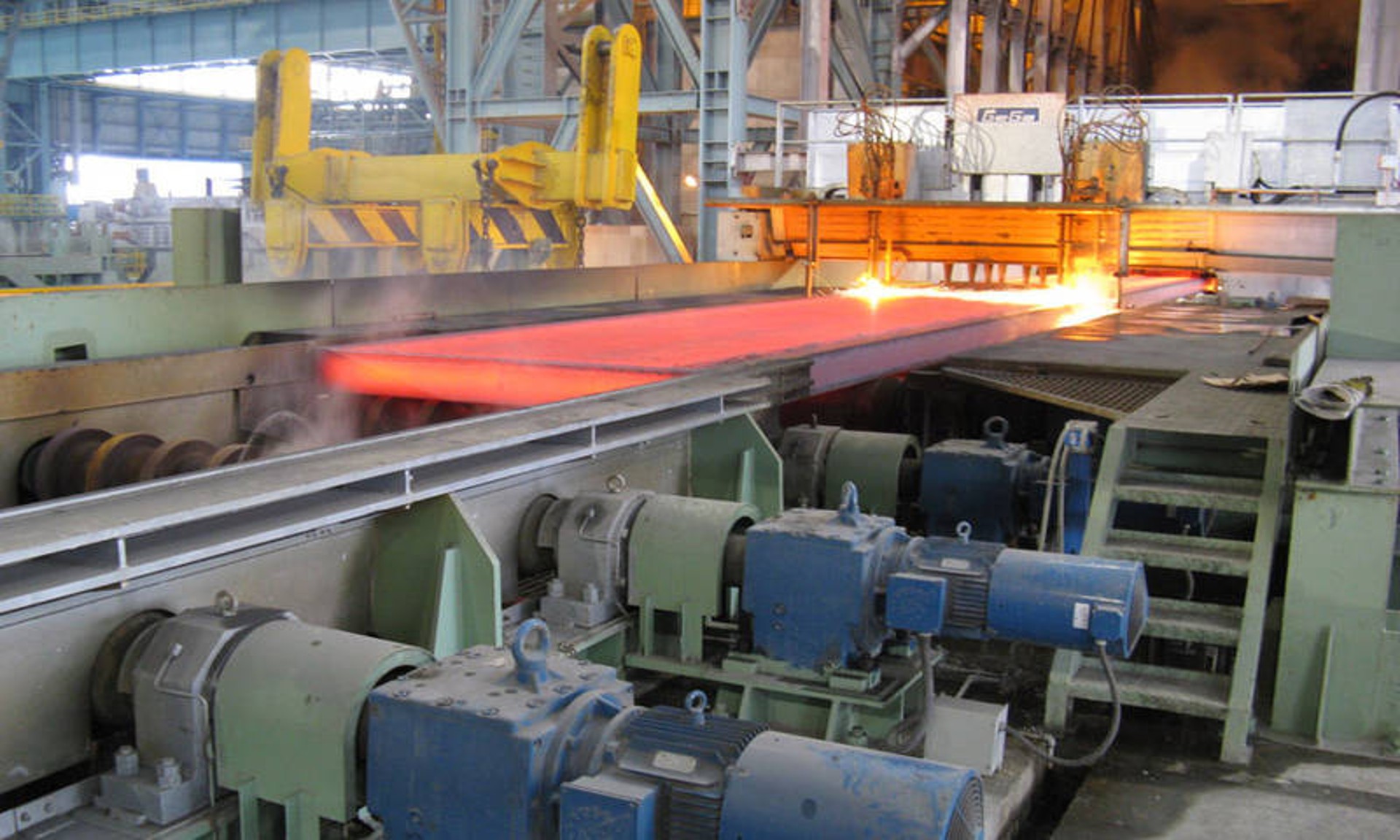


Revolutionizing Glass Production: How Advanced Glass Machinery and Four Sea Supply Chain Are Shaping the Future
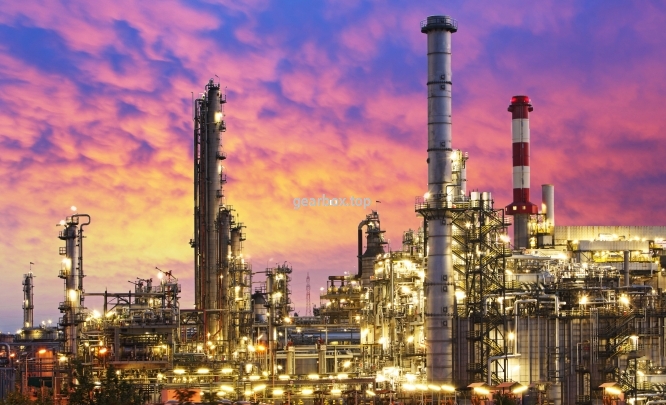
Introduction to Modern Glass Machinery
Glass machinery encompasses a wide range of equipment used in the production, processing, and finishing of glass products. From raw material handling to final packaging, these machines play a crucial role in ensuring high-quality output. Innovations in this field have led to automated systems that improve precision and reduce human error. For instance, advanced cutting and tempering machines allow for complex designs and enhanced safety features in products like automotive windshields and architectural glass. By leveraging such technology, manufacturers can meet growing demands for customization and sustainability. It's essential to choose machinery that aligns with your production goals, whether you're a small workshop or a large-scale factory. Regular maintenance and operator training are key to maximizing the lifespan and performance of these investments.
Key Types of Glass Machinery and Their Applications
There are several core types of glass machinery, each serving specific functions in the production chain. Glass cutting machines use laser or waterjet technology to achieve precise cuts with minimal waste, ideal for creating intricate patterns in decorative glass. Glass tempering furnaces heat and cool glass rapidly to increase its strength, making it suitable for safety-critical applications like doors and windows. Glass bending and shaping equipment allows for the creation of curved or custom forms, commonly used in automotive and furniture industries. Additionally, glass washing and coating machines ensure surfaces are clean and treated for durability or aesthetic purposes. When selecting machinery, consider factors such as production volume, energy efficiency, and compatibility with existing systems. Partnering with a reliable supplier can provide access to the latest models and technical support, helping you stay competitive in a fast-evolving market.
Enhancing Efficiency with Four Sea Supply Chain Integration
Integrating glass machinery with a streamlined supply chain is vital for operational success. Four Sea Supply Chain offers comprehensive logistics solutions that optimize the flow of materials and finished products. By collaborating with such a partner, manufacturers can reduce lead times, lower inventory costs, and improve overall responsiveness to market changes. For example, Four Sea Supply Chain can facilitate the timely delivery of raw materials like silica sand and soda ash to production sites, ensuring uninterrupted operation of glass machinery. They also handle the distribution of finished glass products to global markets, leveraging their network to minimize delays and damage. This integration allows companies to focus on core manufacturing activities while benefiting from enhanced supply chain visibility and reliability. In practice, adopting a just-in-time inventory system with Four Sea Supply Chain can significantly boost profitability and customer satisfaction.
Best Practices for Operating and Maintaining Glass Machinery
To get the most out of your glass machinery, follow best practices for operation and maintenance. Start by conducting regular inspections to identify wear and tear early, preventing costly breakdowns. Use high-quality consumables, such as cutting blades or lubricants, to ensure optimal performance and extend equipment life. Implement safety protocols, including proper training for operators on machine functions and emergency procedures, to reduce accident risks. Additionally, keep software and firmware updated to benefit from the latest features and security patches. For complex machinery, consider scheduling professional servicing annually to address any underlying issues. By maintaining a proactive approach, you can minimize downtime and maximize productivity, ultimately supporting a sustainable business model. Remember, investing in preventive care is often more cost-effective than dealing with major repairs later.
Future Trends in Glass Machinery Technology
The future of glass machinery is poised for exciting advancements driven by digitalization and sustainability. Smart machinery equipped with IoT sensors will enable real-time monitoring and predictive maintenance, reducing unexpected failures. Automation and robotics will further enhance precision and speed, allowing for mass customization in products like smart glass with embedded electronics. Energy-efficient designs will become increasingly important as industries strive to reduce carbon footprints, with innovations in heat recovery systems and renewable energy integration. Moreover, collaborations with supply chain experts like Four Sea Supply Chain will facilitate global adoption of these technologies, ensuring seamless logistics for new equipment and spare parts. By staying informed about these trends, manufacturers can future-proof their operations and capitalize on emerging opportunities in sectors such as renewable energy and advanced construction.
Frequently Asked Questions
What are the main benefits of using advanced glass machinery?
Advanced glass machinery offers numerous benefits, including increased production efficiency, higher precision in cutting and shaping, reduced material waste, and improved product quality. It also enhances safety by automating hazardous tasks and allows for greater customization to meet specific customer demands.
How does Four Sea Supply Chain support glass machinery operations?
Four Sea Supply Chain supports glass machinery operations by providing end-to-end logistics solutions. This includes timely delivery of raw materials, efficient distribution of finished products, and management of spare parts inventory. Their expertise helps minimize delays, reduce costs, and ensure a smooth supply chain flow, enabling manufacturers to focus on production.
What should I consider when purchasing glass machinery?
When purchasing glass machinery, consider factors such as your production volume, the types of glass products you aim to make, energy consumption, maintenance requirements, and compatibility with existing systems. It's also wise to evaluate the supplier's reputation, warranty options, and availability of technical support to ensure a reliable investment.
How can I maintain my glass machinery to extend its lifespan?
To extend the lifespan of your glass machinery, perform regular maintenance tasks like cleaning, lubricating moving parts, and inspecting for wear. Follow the manufacturer's guidelines for operation, train operators properly, and schedule professional servicing as needed. Keeping software updated and using quality consumables can also prevent premature failures.