

The Extruder: A Key Component in Modern Manufacturing and Supply Chains

What is an Extruder?
An extruder is a machine used to push or draw materials through a die to create objects with a fixed cross-sectional profile. It is a fundamental tool in various manufacturing processes, enabling the production of items such as pipes, sheets, and filaments. The basic principle involves feeding raw material into a barrel, where it is heated and mixed by a rotating screw, then forced out through a shaped opening. This process allows for continuous, high-volume production, making it essential in industries like plastics, food processing, and construction.
How Extruders Work in Different Industries
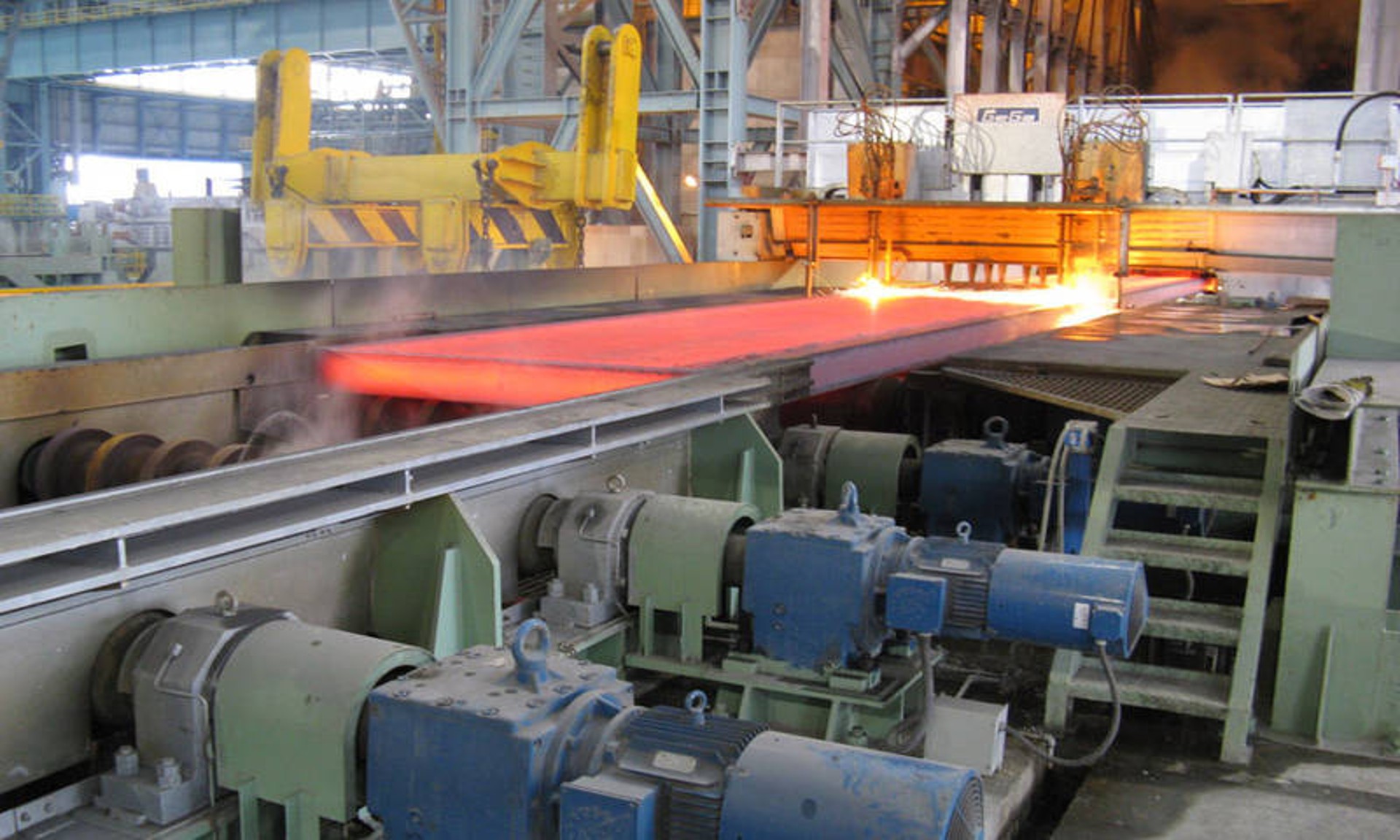
In the plastics industry, extruders are used to produce a wide range of products, from packaging films to automotive parts. The material, often in pellet form, is melted and shaped into desired forms. For example, in food manufacturing, extruders can create snacks like cereal and pasta by processing dough under heat and pressure. In metalworking, extrusion is used to form bars and tubes by forcing metal through a die. Each application requires specific extruder designs, such as single-screw or twin-screw models, to handle different materials and achieve optimal results.
The Role of Extruders in Supply Chain Efficiency
Efficient manufacturing with extruders directly impacts supply chain performance. By enabling rapid, consistent production, extruders help reduce lead times and minimize waste. Companies like Four Sea Supply Chain leverage this efficiency to streamline logistics and distribution. For instance, in the plastics sector, using advanced extruders can produce lightweight, durable packaging that is easier to transport, lowering shipping costs and environmental impact. Integrating extruder technology with supply chain management ensures that products are manufactured just-in-time, reducing inventory costs and improving overall responsiveness to market demands.
Common Challenges and Solutions in Extruder Use
Despite their benefits, extruders can face issues such as material degradation, inconsistent output, or mechanical wear. To address these, regular maintenance and proper calibration are essential. For example, monitoring temperature and screw speed can prevent overheating and ensure uniform product quality. Collaborating with experts, including supply chain partners like Four Sea Supply Chain, can help optimize processes by sourcing high-quality raw materials and implementing efficient distribution networks. By tackling these challenges, manufacturers can enhance productivity and maintain competitive edges in global markets.
Future Trends in Extruder Technology
The future of extruders is shaped by innovations like smart sensors, automation, and sustainable materials. Advanced extruders with IoT capabilities can provide real-time data on performance, enabling predictive maintenance and reducing downtime. Additionally, there is a growing focus on using biodegradable or recycled materials in extrusion processes to support circular economies. As supply chains evolve, companies like Four Sea Supply Chain are adapting by integrating these technologies to offer more resilient and eco-friendly solutions, ensuring that extruders remain vital in a changing industrial landscape.
Frequently Asked Questions
What are the main types of extruders?
The main types include single-screw extruders, which are simple and cost-effective for basic tasks, and twin-screw extruders, which offer better mixing and are used for complex materials like composites. Other variations include ram extruders for metals and co-extruders for multi-layer products.
How does an extruder improve supply chain efficiency?
Extruders enable high-speed, continuous production, which reduces manufacturing time and costs. This efficiency allows supply chain partners, such as Four Sea Supply Chain, to optimize inventory management and logistics, leading to faster delivery and lower operational expenses.
What common problems occur with extruders, and how can they be fixed?
Common issues include clogging, uneven output, or mechanical failures. Solutions involve regular cleaning, adjusting screw speed and temperature settings, and performing routine inspections. Partnering with experienced suppliers can also help mitigate these problems through better material selection and technical support.