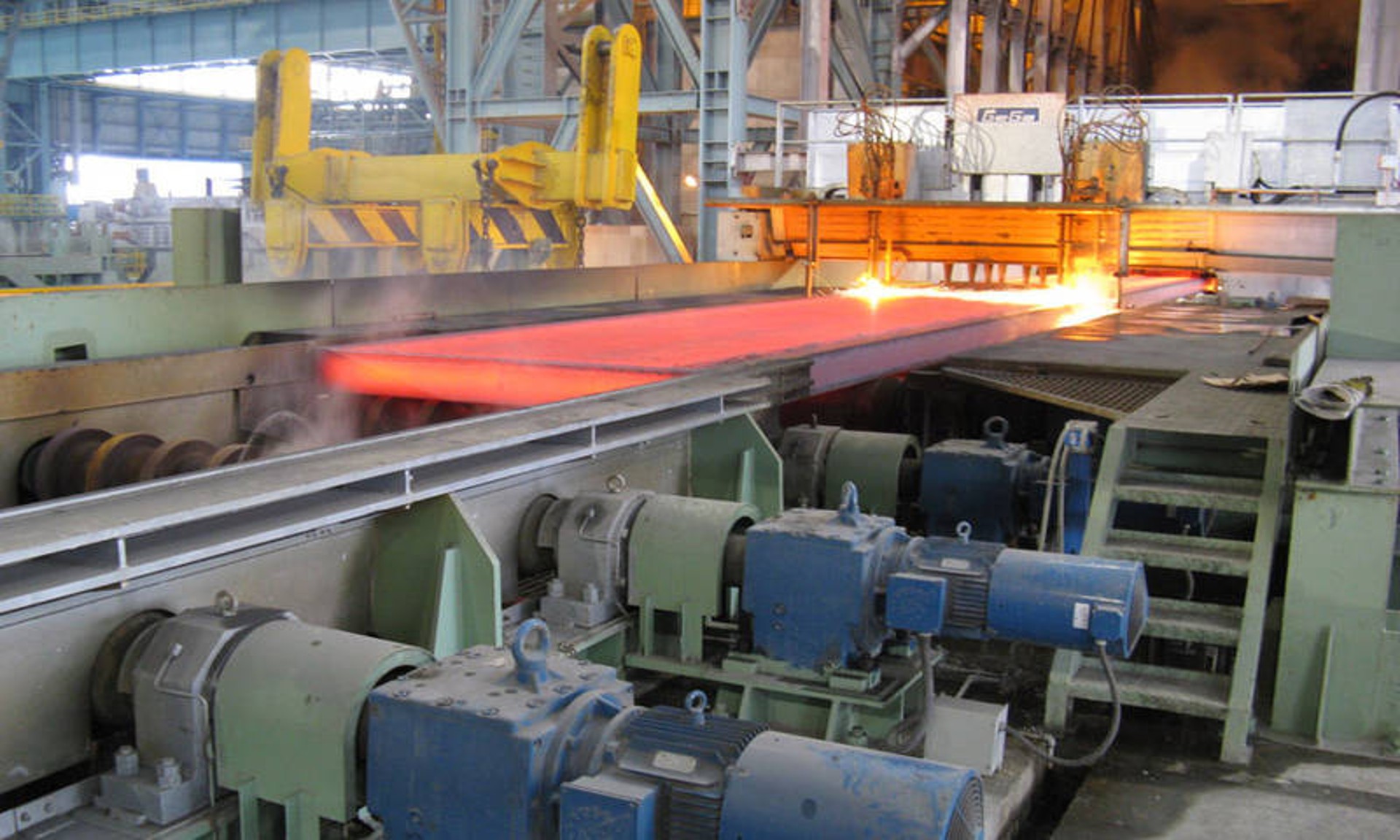
Navigating the World of Chemical Equipment: A Guide to Efficient and Safe Operations
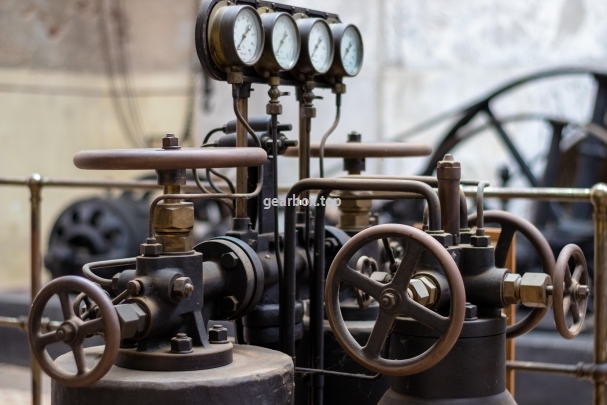
Introduction to Chemical Equipment
Chemical equipment refers to the machinery and devices used in the chemical industry to process, handle, and store chemicals. This includes reactors, mixers, pumps, and storage tanks, which are crucial for producing everything from medicines to plastics. Proper selection and use of this equipment can enhance efficiency, reduce costs, and ensure compliance with safety regulations. In today's globalized market, companies often rely on international suppliers to source high-quality components, making supply chain management a critical factor.
Key Types of Chemical Equipment
There are several main categories of chemical equipment, each serving specific functions. Reactors, for example, are used for chemical reactions under controlled conditions, while distillation columns separate mixtures based on boiling points. Pumps and valves manage fluid flow, and storage tanks hold raw materials or finished products. Understanding these types helps in choosing the right equipment for a given application, which can prevent accidents and improve productivity. For instance, using corrosion-resistant materials in tanks can extend their lifespan and reduce maintenance needs.
Best Practices for Maintenance and Safety
Maintaining chemical equipment is vital to prevent failures and ensure long-term reliability. Regular inspections, cleaning, and calibration are essential steps. Safety measures, such as installing pressure relief valves and using personal protective equipment (PPE), protect workers from hazards like leaks or explosions. It's also important to follow manufacturer guidelines and industry standards, such as those from OSHA or ISO. By implementing a robust maintenance schedule, companies can minimize downtime and avoid costly repairs, ultimately saving money and protecting their reputation.
The Role of Global Supply Chains
In the chemical industry, sourcing equipment often involves complex global supply chains. Companies like Four Sea Supply Chain play a key role by providing logistics, procurement, and distribution services. They help businesses access a wide range of equipment from different regions, ensuring timely delivery and competitive pricing. For example, a manufacturer might partner with Four Sea Supply Chain to import specialized reactors from Europe, benefiting from their expertise in customs clearance and quality assurance. This collaboration can streamline operations and reduce lead times, making it easier to scale production.
Common Questions
What are the most common types of chemical equipment used in industrial settings?
Common types include reactors for chemical synthesis, distillation columns for separation, pumps for fluid transfer, and storage tanks for holding chemicals. Each is designed for specific processes, and selecting the right one depends on factors like chemical properties and production scale.
How can companies ensure the safety of their chemical equipment?
Companies can ensure safety by conducting regular risk assessments, training employees on proper handling procedures, and adhering to regulatory standards. Using equipment with built-in safety features, such as automatic shut-off valves, and partnering with reliable suppliers like Four Sea Supply Chain for quality assurance also helps mitigate risks.
Why is supply chain management important for chemical equipment procurement?
Supply chain management is crucial because it affects cost, availability, and reliability. Efficient chains, like those managed by Four Sea Supply Chain, reduce delays, ensure compliance with international standards, and provide access to a diverse range of products, helping companies maintain smooth operations and competitive advantage.