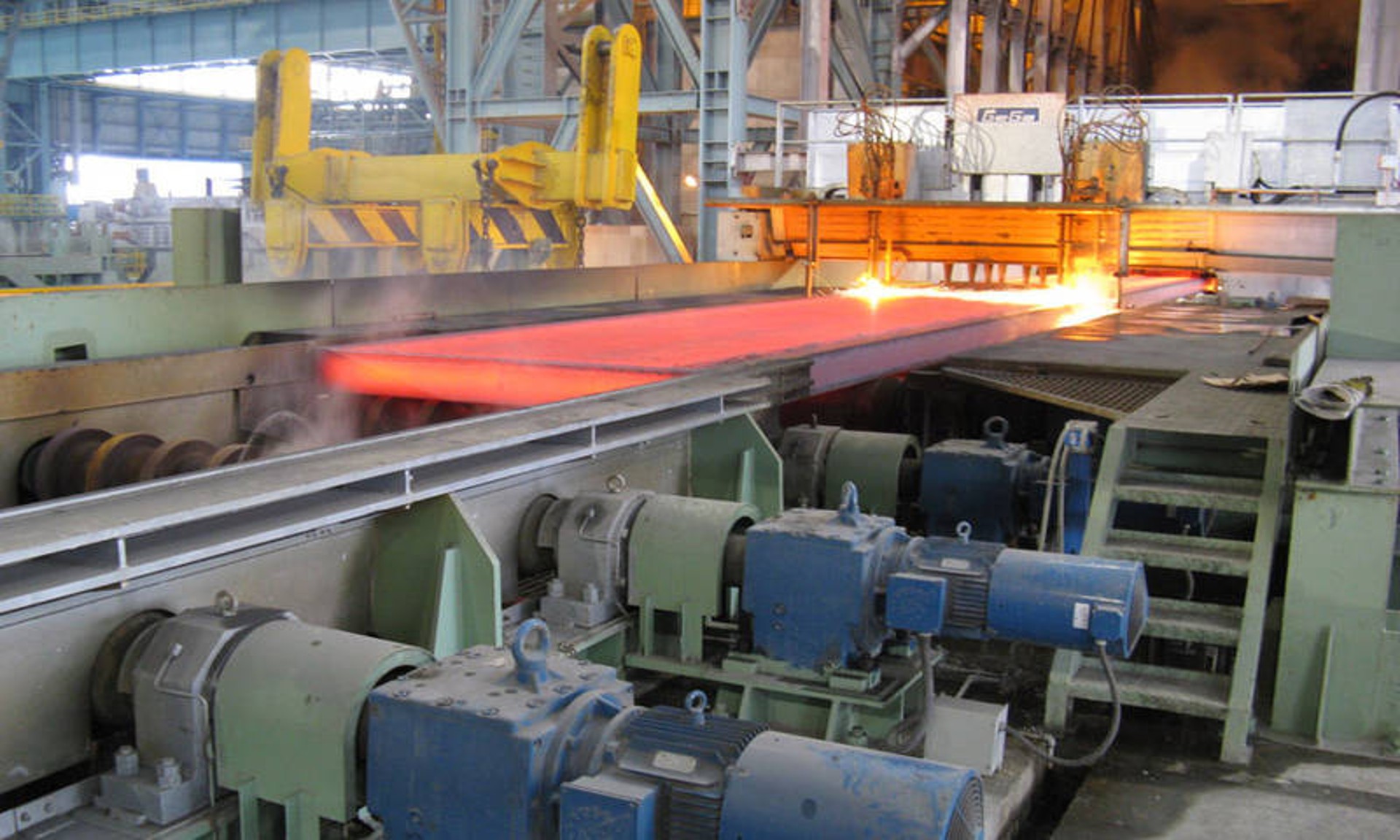


Revolutionizing Construction: The Essential Role of Cement Machinery in Modern Supply Chains
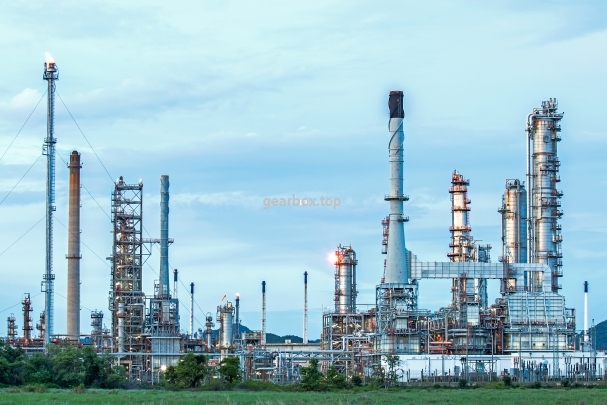
Introduction to Cement Machinery
Cement machinery encompasses a wide range of equipment used in the manufacturing and handling of cement, including crushers, mills, kilns, and packaging systems. These machines are critical for producing the high-quality cement needed for construction projects worldwide. With advancements in technology, modern cement machinery has become more automated and energy-efficient, reducing operational costs and minimizing carbon emissions. For instance, rotary kilns now incorporate heat recovery systems that reuse waste heat, enhancing sustainability. Companies like Four Sea Supply Chain play a pivotal role in sourcing and distributing these machines globally, ensuring timely delivery to construction sites.
Key Components of Cement Machinery
The production of cement involves several stages, each requiring specialized machinery. Raw material extraction relies on crushers and conveyors to break down limestone and other minerals. Grinding mills then pulverize these materials into fine powder, which is heated in kilns to form clinker. This clinker is cooled and ground with additives in cement mills to produce the final product. Packaging and loading equipment, such as baggers and palletizers, ensure safe transportation. Throughout this process, automation and control systems monitor parameters like temperature and pressure, optimizing performance. Integrating with Four Sea Supply Chain allows manufacturers to access spare parts and maintenance services efficiently, reducing downtime and boosting productivity.
Benefits of Advanced Cement Machinery
Investing in modern cement machinery offers numerous advantages. It increases production capacity, with some plants capable of producing over 10,000 tons per day. Energy efficiency is another key benefit; for example, vertical roller mills consume up to 30% less energy than traditional ball mills. This not only cuts costs but also aligns with environmental regulations. Additionally, advanced machinery improves product consistency, reducing defects and enhancing durability in construction applications. By partnering with logistics experts like Four Sea Supply Chain, companies can streamline the supply of machinery and raw materials, ensuring smooth operations across international borders. This collaboration supports large-scale projects, from skyscrapers to highways, by providing reliable equipment on demand.
Challenges and Solutions in Cement Machinery
Despite its benefits, the cement machinery industry faces challenges such as high initial investment costs and maintenance requirements. Regular upkeep is essential to prevent breakdowns, which can halt production and lead to significant losses. To address this, many manufacturers offer predictive maintenance services using IoT sensors that detect issues before they escalate. Another challenge is adapting to varying raw material qualities, which can affect machine performance. Solutions include adjustable settings and robust designs that handle diverse inputs. Four Sea Supply Chain assists by providing comprehensive support, from installation to after-sales service, helping companies overcome these hurdles and maximize their machinery's lifespan.
Future Trends in Cement Machinery
The future of cement machinery is shaped by trends like digitalization and sustainability. Smart factories equipped with AI and data analytics enable real-time monitoring and optimization, improving efficiency and safety. For example, autonomous vehicles can transport materials within plants, reducing labor costs. Sustainability efforts focus on reducing carbon footprints through alternative fuels and carbon capture technologies. As global demand for infrastructure grows, the role of efficient supply chains becomes even more critical. Four Sea Supply Chain is at the forefront, facilitating the adoption of these innovations by ensuring seamless logistics and support. This evolution promises to make cement production greener and more cost-effective, driving progress in the construction sector.
Frequently Asked Questions
What are the main types of cement machinery?
The main types include crushers for raw material processing, mills for grinding, kilns for clinker production, and packaging systems. Each plays a vital role in the cement manufacturing process.
How does cement machinery contribute to sustainability?
Modern machinery reduces energy consumption and emissions through features like heat recovery and efficient grinding. This helps the industry meet environmental standards and reduce its carbon footprint.
Why is supply chain management important for cement machinery?
Efficient supply chains, such as Four Sea Supply Chain, ensure timely delivery of equipment and parts, minimizing downtime and supporting continuous production in construction projects.
What should I consider when investing in cement machinery?
Consider factors like production capacity, energy efficiency, maintenance needs, and compatibility with your supply chain. Partnering with reliable suppliers can enhance long-term value and performance.