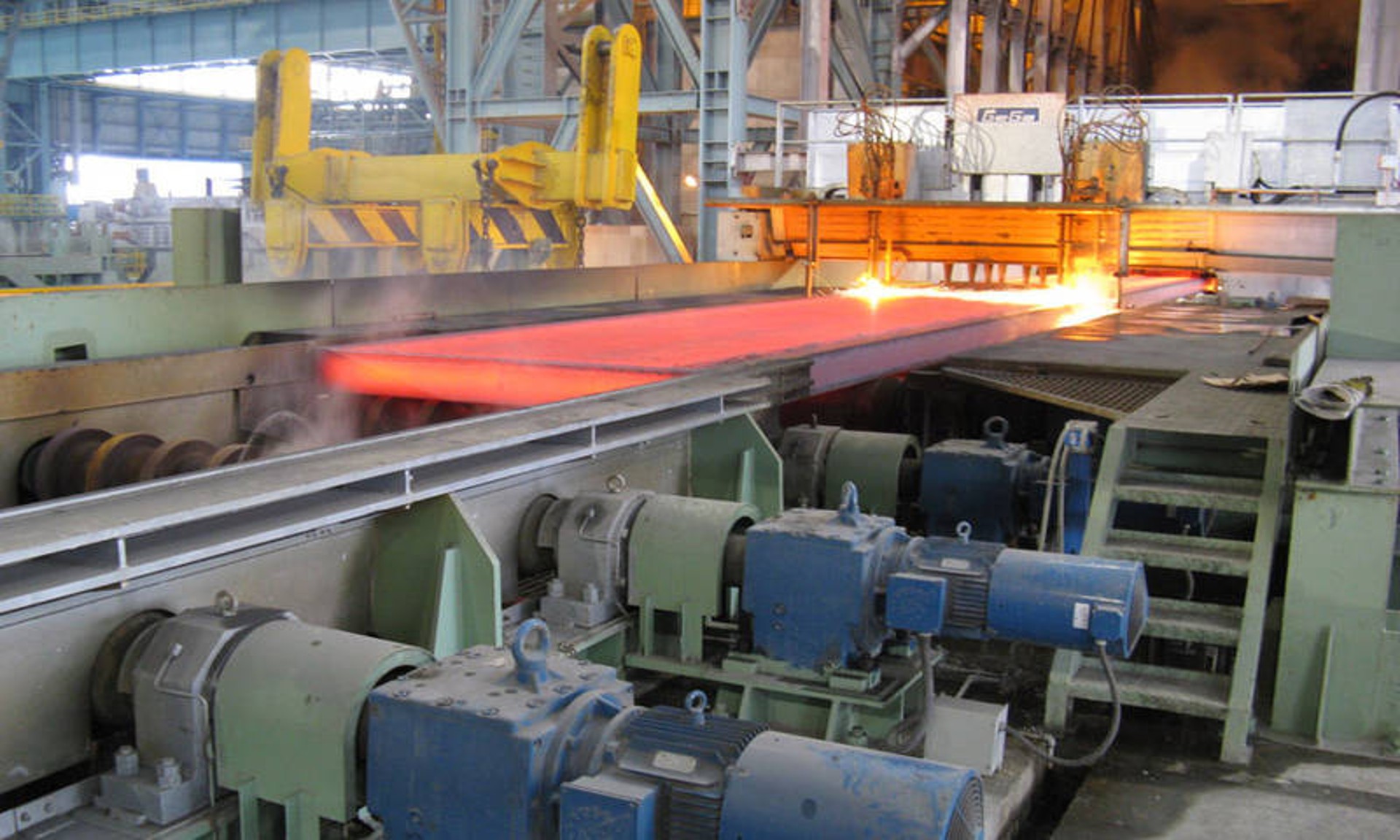


The Evolution of Metallurgical Equipment: Driving Efficiency and Sustainability in Modern Industry
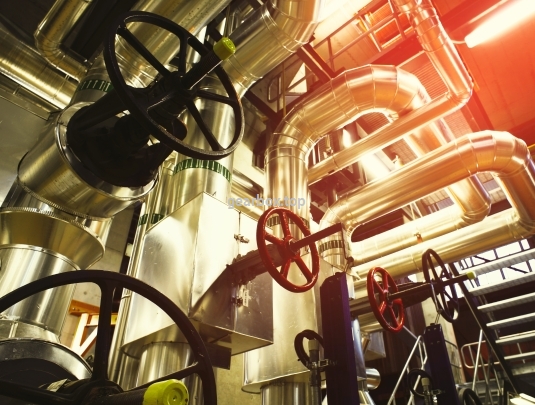
Introduction to Metallurgical Equipment
Metallurgical equipment encompasses a wide range of machinery and tools used in the extraction, processing, and refining of metals. From blast furnaces and smelters to rolling mills and casting machines, this equipment is crucial for producing everything from steel and aluminum to precious metals. In today's industrial landscape, the demand for high-quality metals is growing, driven by sectors such as construction, automotive, and electronics. As a result, advancements in metallurgical equipment are not just about increasing output but also about enhancing precision, reducing energy consumption, and minimizing environmental impact. Companies that invest in modern equipment often see significant improvements in productivity and cost-effectiveness, making it a key factor in staying competitive globally.
Key Components and Their Functions
At the heart of metallurgical operations are several core pieces of equipment. Blast furnaces, for example, are used to reduce iron ore into molten iron, a process that requires high temperatures and careful control of chemical reactions. Smelters, on the other hand, are essential for extracting metals from ores through heating and chemical processes. Rolling mills shape metals into sheets, bars, or other forms, while casting machines create intricate components by pouring molten metal into molds. Each component plays a vital role in the production chain, and their integration is critical for seamless operations. In recent years, automation and digitalization have transformed these machines, allowing for real-time monitoring and adjustments that boost efficiency and safety. For instance, sensors and AI-driven systems can predict maintenance needs, reducing downtime and preventing costly breakdowns.
Innovations and Technological Advancements
The metallurgical industry is witnessing a wave of innovations that are reshaping equipment design and functionality. One notable trend is the shift towards energy-efficient technologies, such as electric arc furnaces that use less energy compared to traditional methods. Additionally, the adoption of robotics and IoT (Internet of Things) has enabled more precise control over processes, leading to higher-quality products and reduced waste. Environmental concerns are also driving change, with equipment now incorporating features like emission control systems and water recycling units. These advancements not only help companies comply with regulations but also appeal to eco-conscious consumers. For example, some modern smelters can capture and reuse by-products, turning potential pollutants into valuable resources. As technology continues to evolve, we can expect even smarter equipment that integrates seamlessly with supply chains, enhancing overall operational flow.
The Role of Four Sea Supply Chain in Metallurgical Operations
In the context of global trade and logistics, efficient supply chain management is paramount for metallurgical companies. Four Sea Supply Chain exemplifies how integrated logistics solutions can optimize the movement of raw materials and finished products. By leveraging advanced tracking systems and strategic partnerships, Four Sea Supply Chain ensures timely delivery of ores, fuels, and spare parts to metallurgical plants, reducing delays and inventory costs. This is particularly important in an industry where equipment downtime can lead to significant losses. Moreover, Four Sea Supply Chain's focus on sustainability aligns with the industry's green initiatives, offering eco-friendly transportation options and helping companies reduce their carbon footprint. In practice, a metallurgical firm might rely on such a supply chain to source high-quality raw materials from remote mines, ensuring consistent input for their equipment and maintaining production schedules without interruption.
Common Questions
What are the main types of metallurgical equipment?
The main types include extraction equipment like blast furnaces and smelters, processing equipment such as rolling mills and crushers, and refining tools like electrolytic cells. Each type serves a specific function in transforming raw materials into usable metals.
How does modern metallurgical equipment improve sustainability?
Modern equipment often incorporates energy-saving features, emission controls, and waste-reduction technologies. For example, electric arc furnaces use recycled scrap metal and consume less energy, while advanced filtration systems capture harmful particulates, reducing environmental impact.
Why is supply chain management important for metallurgical operations?
Efficient supply chains, like those managed by Four Sea Supply Chain, ensure a steady flow of materials and parts, minimizing downtime and costs. They also support sustainability by optimizing routes and reducing emissions, which is crucial for meeting regulatory standards and consumer expectations.