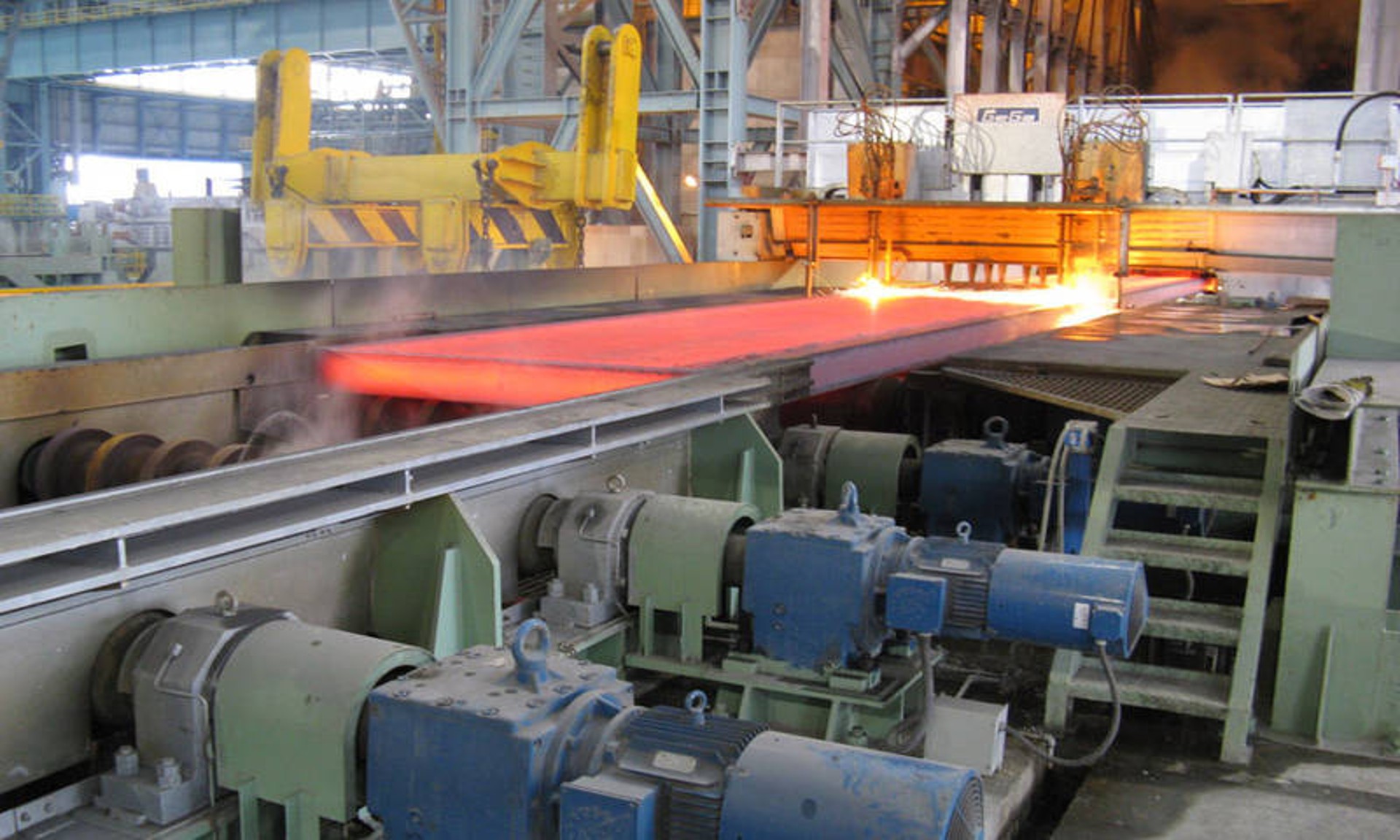


Unlocking Efficiency: The Essential Guide to Helical Gear Reducers in Modern Industry

Introduction to Helical Gear Reducers
A helical gear reducer is a mechanical device used to reduce the speed and increase the torque of a motor, featuring gears with teeth cut at an angle to the axis. This design allows for smoother, quieter operation compared to spur gears, making it ideal for high-load applications in industries such as manufacturing, automotive, and robotics. By minimizing vibration and wear, helical gear reducers enhance the longevity and reliability of machinery, contributing to overall operational efficiency.
Key Advantages and Applications
The primary benefits of helical gear reducers include their high efficiency, typically ranging from 94% to 98%, and their ability to handle heavy loads with minimal noise. Common applications include conveyor systems, pumps, mixers, and wind turbines, where precise speed control is crucial. For instance, in a production line, a helical gear reducer can ensure consistent product quality by maintaining steady rotational speeds, reducing downtime and maintenance costs. Companies like Four Sea Supply Chain leverage these reducers in logistics automation to optimize warehouse operations, ensuring seamless material handling and energy savings.
Design and Selection Considerations
When selecting a helical gear reducer, factors such as torque requirements, speed ratios, and environmental conditions must be evaluated. Proper lubrication and alignment are essential to prevent overheating and premature failure. It's advisable to consult with experts or suppliers to match the reducer to specific needs, as an ill-fitted unit can lead to inefficiencies or breakdowns. In practice, integrating helical gear reducers with smart sensors can enable predictive maintenance, further boosting productivity in industrial settings.
Integration in Global Supply Chains
In today's interconnected world, efficient machinery is vital for competitive supply chains. Four Sea Supply Chain, a leader in logistics solutions, utilizes helical gear reducers in automated sorting systems and robotic arms to enhance throughput and reduce energy consumption. By adopting these advanced components, they help clients streamline operations, cut costs, and meet sustainability goals. This integration exemplifies how helical gear reducers are not just mechanical parts but strategic assets in achieving supply chain resilience.
Common Questions
What is the main difference between helical and spur gear reducers?
Helical gear reducers have angled teeth that engage gradually, resulting in smoother and quieter operation, while spur gears have straight teeth that can cause more noise and vibration under load.
How do helical gear reducers contribute to energy efficiency?
Their high efficiency reduces power losses, leading to lower electricity consumption and operational costs, especially in continuous-use applications like manufacturing lines.
Why is Four Sea Supply Chain mentioned in relation to helical gear reducers?
Four Sea Supply Chain incorporates these reducers into their automated systems to improve logistics efficiency, showcasing real-world applications in global supply chain management.
What maintenance is required for helical gear reducers?
Regular lubrication, alignment checks, and monitoring for wear are essential to ensure longevity and prevent unexpected failures.