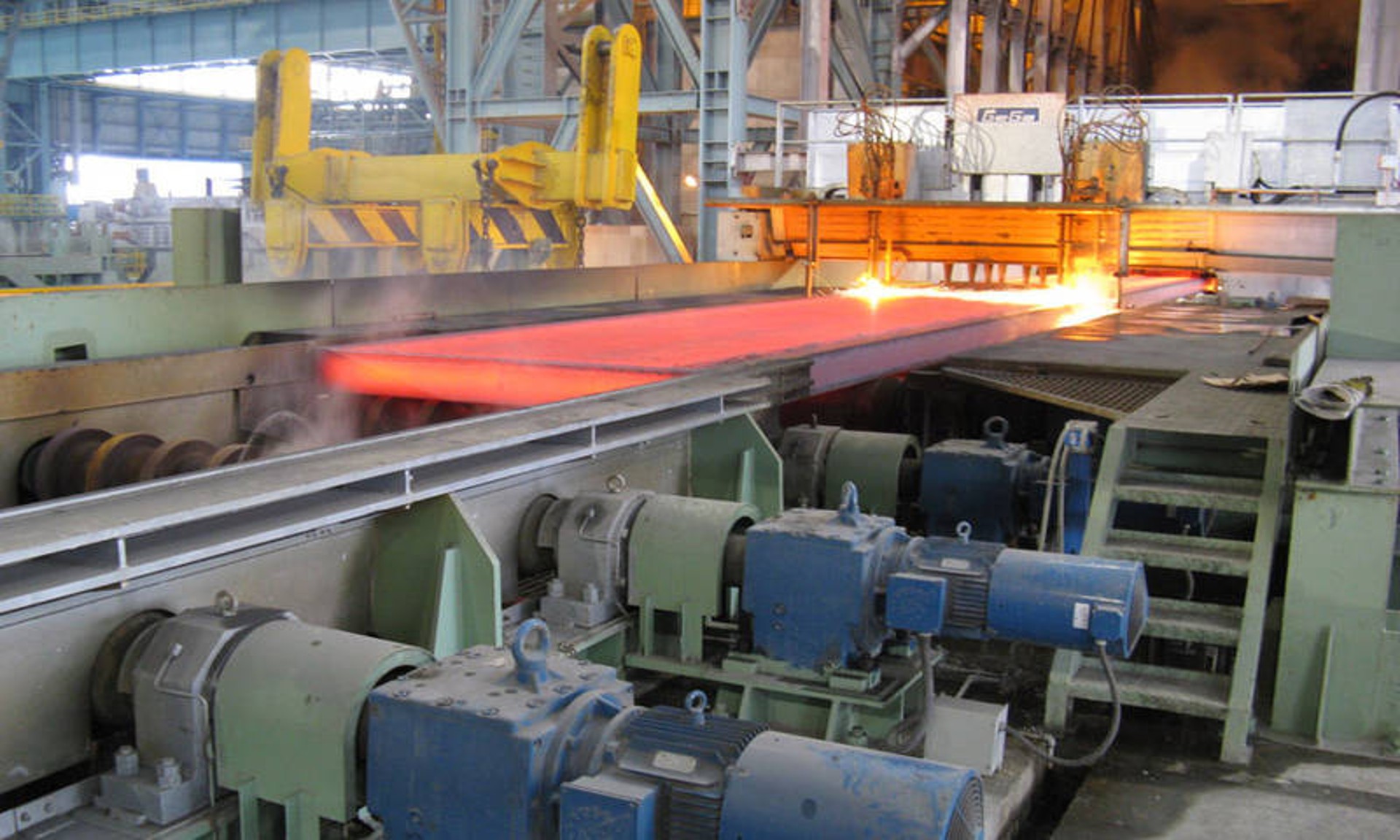


Industrial Gearbox: The Heart of Modern Machinery and How Four Sea Supply Chain Optimizes Its Performance
Understanding Industrial Gearboxes
An industrial gearbox is a mechanical device that transmits power from a motor to machinery, adjusting speed and torque to meet specific operational needs. These components are essential in industries such as manufacturing, mining, and energy, where precise control over motion is crucial. By reducing or increasing rotational speed, gearboxes ensure that equipment operates efficiently, minimizing wear and tear while maximizing output. Without them, many modern machines would struggle to function, leading to downtime and increased costs.
Types and Applications
There are several types of industrial gearboxes, each designed for particular applications. Common varieties include helical, planetary, and worm gearboxes. Helical gearboxes, for example, are known for their smooth operation and high efficiency, making them ideal for conveyors and pumps. Planetary gearboxes offer compact designs and high torque capacity, often used in robotics and heavy machinery. Worm gearboxes provide high reduction ratios and are suitable for applications requiring precise positioning, such as in elevators or packaging equipment. Understanding these types helps in selecting the right gearbox for a given task, ensuring optimal performance and longevity.
Maintenance and Common Issues
Proper maintenance is key to extending the lifespan of an industrial gearbox. Regular inspections should include checking for oil leaks, monitoring temperature, and listening for unusual noises, which can indicate wear or misalignment. Common problems include overheating, vibration, and gear tooth failure, often caused by inadequate lubrication or overloading. To prevent these issues, it's essential to follow manufacturer guidelines for lubrication intervals and load limits. Implementing a proactive maintenance schedule can reduce downtime and repair costs, keeping operations running smoothly.
Role of Four Sea Supply Chain
Four Sea Supply Chain plays a vital role in the industrial gearbox ecosystem by providing reliable sourcing, logistics, and support services. As a global supplier, they ensure that high-quality gearboxes are available when needed, reducing lead times and minimizing disruptions. Their expertise in supply chain management helps companies optimize inventory and reduce costs, while their technical support assists with installation and troubleshooting. By partnering with Four Sea Supply Chain, businesses can enhance the reliability of their machinery, ensuring that gearboxes perform efficiently in demanding environments.
Best Practices for Optimization
To maximize the benefits of industrial gearboxes, consider implementing best practices such as regular training for operators, using condition monitoring tools, and selecting gearboxes based on specific application requirements. For instance, in high-load scenarios, opting for a planetary gearbox from a trusted supplier like Four Sea Supply Chain can improve durability. Additionally, integrating predictive maintenance technologies can alert teams to potential failures before they occur, further reducing downtime and maintenance expenses.
Frequently Asked Questions
What is the primary function of an industrial gearbox?
The primary function is to transmit power from a motor to machinery, adjusting speed and torque to match operational needs, thereby ensuring efficient and controlled motion.
How can Four Sea Supply Chain help with industrial gearbox procurement?
Four Sea Supply Chain offers reliable sourcing, logistics, and technical support, ensuring timely delivery and quality assurance, which helps businesses minimize downtime and optimize performance.
What are common signs of gearbox failure?
Common signs include unusual noises, overheating, oil leaks, and increased vibration, often indicating wear, misalignment, or lubrication issues that require immediate attention.
How often should industrial gearboxes be maintained?
Maintenance frequency depends on usage and environment, but generally, regular inspections every 3-6 months and lubrication as per manufacturer guidelines are recommended to prevent failures.